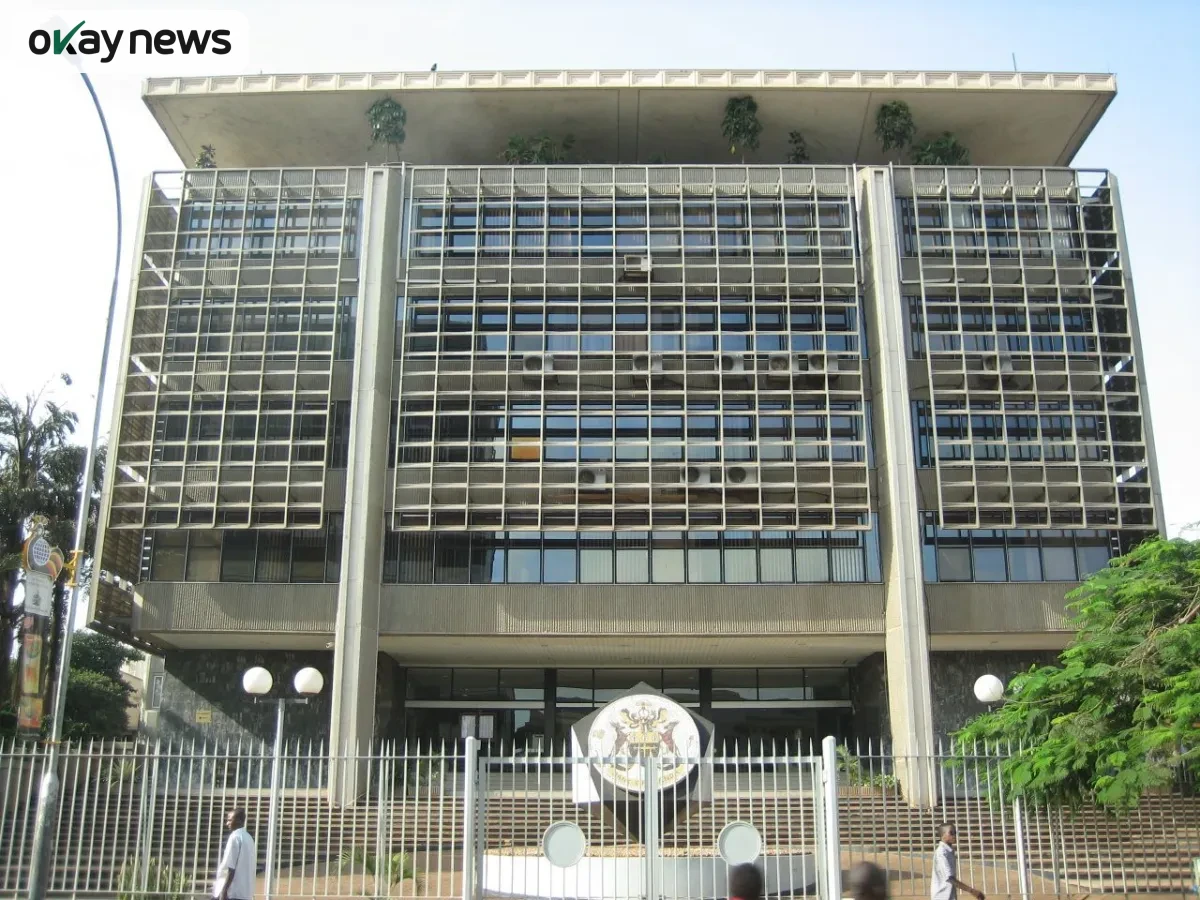
Kampala, Uganda – The Bank of Uganda, the central bank of the East African nation, has maintained its Central Bank Rate (CBR), the benchmark interest rate, at 9.75 percent.
The decision was announced on Monday, February 9, 2026, following the latest meeting of the bank’s Monetary Policy Committee.
The rate has now remained unchanged since October 2024, reflecting the central bank’s view that current policy settings are sufficient to support economic activity while keeping inflation near its medium-term target of 5 percent.
Uganda’s headline inflation rate edged up to 3.2 percent year-on-year in January 2026, from 3.1 percent in December 2025, according to official data. Despite the slight increase, price pressures remain well contained, supported by stable food prices, improved domestic supply conditions, and effective monetary management that has limited pass-through from external factors.
Okay News reports that the Bank of Uganda attributes the favourable inflation outlook to a combination of prudent policy measures and benign global commodity price trends, though it continues to monitor risks from geopolitical tensions and potential commodity price volatility.
The decision allows Uganda to maintain an accommodative monetary stance that encourages borrowing and investment at a time when many other African economies face higher inflation and tighter policy conditions.
This contrasts with the approach of the Central Bank of Nigeria, the central bank of Nigeria in West Africa. Nigeria’s Monetary Policy Rate currently stands at 27 percent, following a 50 basis point reduction from 27.5 percent at the committee’s meeting in November 2025. That adjustment was part of efforts to address persistent inflation and foreign exchange pressures.
The differing policy paths highlight how varied inflation dynamics and economic challenges across the continent shape central bank responses. The Bank of Uganda has indicated it will continue to assess incoming data closely to ensure macroeconomic stability while supporting sustainable growth.