


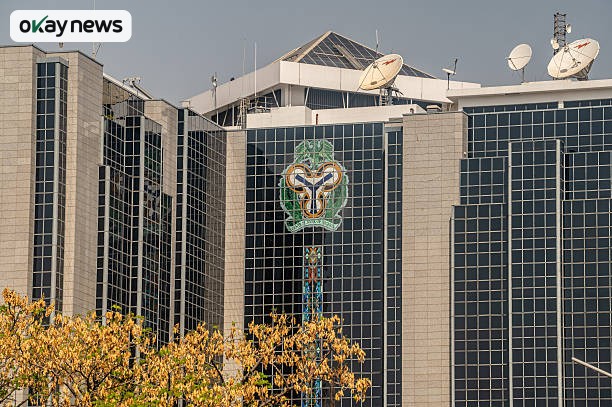
The Central Bank of Nigeria (CBN), the country’s central bank and primary monetary authority, executed one of its most aggressive financial tightening operations in January 2026 by withdrawing over N15 trillion from the banking system.
This massive move aimed to reduce the amount of cash circulating in the economy, reinforcing a strict policy stance to combat persistent inflation and stabilize the national currency, the Naira.
Okay News reports that the CBN used multiple tools to drain this liquidity, including selling N8.5 trillion in special Open Market Operation (OMO) bills and issuing N3.7 trillion in treasury bills. Commercial banks also parked N2.9 trillion at the central bank’s standing deposit facility. As a result, the banking system ended the month with a net deficit of N2.4 trillion, causing short-term borrowing rates between banks to surge above 26%.
Financial experts indicate this decisive action shows the CBN’s priority is controlling inflation and exchange rate stability, even at the cost of higher borrowing costs and reduced credit availability for businesses and individuals. Market analysts note that with such significant tightening, an immediate easing of monetary policy is unlikely, meaning high interest rates are expected to continue in the near term.
Despite the liquidity squeeze, investor demand for government securities remained strong. Subscriptions for treasury bills and bonds were more than double the amount offered, with particular interest in longer-term instruments.
This suggests investors are seeking to lock in current high yields, anticipating that rates may eventually fall later in the cycle. The strategy highlights the challenging balance the CBN faces between fostering economic growth and maintaining financial stability.


, the country's central bank and primary monetary authority, executed one of its most aggressive financial tightening operations in January 2026 by withdrawing over N15 trillion from the banking system.)