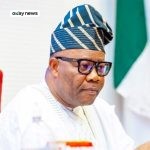
Abuja, Federal Capital Territory, Nigeria — The Minister of Aviation and Aerospace Development of the Federal Republic of Nigeria, Festus Keyamo, a Senior Advocate of Nigeria, has praised residents of the Federal Capital Territory for participating in the area council elections held on Saturday, February 21, 2026.
The Federal Capital Territory is Nigeria’s capital region, located in central Nigeria. It is administered separately from Nigeria’s 36 states and is home to the nation’s seat of government. The area council elections determine leadership across the six local administrative councils that manage grassroots governance in the territory.
In a reaction posted on his verified X social media account on Sunday, February 22, 2026, Keyamo addressed post-election debates and criticism that followed the polls.
He stated, “The real Nigerians have now spoken for themselves; not those who pose for cameras in front of the National Assembly, claiming to speak for Nigerians; not some funny journalists who don’t know the polling units in their villages, seated comfortably in some studios and claiming to speak for Nigerians; and not the clueless opposition claiming to speak for Nigerians.”
Okay News reports that the elections were conducted across the six area councils: Abuja Municipal Area Council, Bwari Area Council, Gwagwalada Area Council, Kuje Area Council, Abaji Area Council, and Kwali Area Council. Voting was described as largely peaceful, with results being collated and declared on Sunday.
The Minister also warned individuals and groups against claiming to speak on behalf of the entire country without clear public mandate.
He added, “Everyone or any group have a right to their opinions, but never claim to speak for ‘Nigerians’ when there is no yardstick to ascertain your claim.”
Keyamo further urged commentators to clearly define whether they are expressing personal views or representing specific organisations.
“When you make your point, clearly state it is your own belief or the position of your NGO or organisation, but do not pose as some Voltron defending majority of ‘Nigerians’. That is just my point.”
The polls are widely regarded as a political indicator because the Federal Capital Territory hosts Nigeria’s federal government institutions, foreign diplomatic missions, and major national agencies. Political analysts often view voting trends in the capital as a signal of broader public sentiment.
The results from the elections are expected to shape local governance and influence political calculations ahead of future national contests.