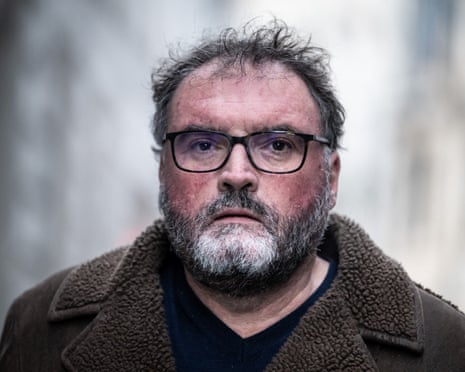
A French court has jailed former anaesthetist Frédéric Péchier for life, after finding him guilty of deliberately poisoning 30 patients, including 12 who died, in a case that has shocked the country.
The court in Besançon, eastern France, ruled that Péchier intentionally contaminated patients’ infusion bags with toxic substances that caused cardiac arrest or severe haemorrhaging while they were undergoing routine medical procedures.
Among the victims was a four-year-old child, who survived two cardiac arrests during a tonsil operation in 2016. The oldest victim was 89 years old.
During the trial, prosecutors branded Péchier “Doctor Death”, accusing him of turning hospitals into places of fear rather than care. “You are a poisoner, a murderer. You bring shame on all doctors,” prosecutors told the court.
Péchier was first placed under investigation eight years ago, following suspicions that patients had been poisoned at two clinics in Besançon between 2008 and 2017. Alarm was raised after one of his earliest known victims, 36-year-old Sandra Simard, suffered a sudden cardiac arrest during spinal surgery but survived after emergency intervention. Tests later revealed potassium levels 100 times higher than normal in her infusion bags.
Over the 15-week trial, Péchier at times acknowledged that some patients may have been poisoned but consistently denied responsibility. “I am not a poisoner,” he told the court, insisting he had always respected the Hippocratic oath.
Despite being free throughout the trial, Péchier will now face a minimum of 22 years in prison before becoming eligible for release. He has 10 days to file an appeal, which would result in a retrial within a year.
The case has sent shockwaves through France’s medical community, raising serious questions about patient safety, hospital oversight, and trust in healthcare professionals.