Abuja, Nigeria – Former Kaduna State Governor Nasir Ahmad El-Rufai has denied claims that his administration was involved in the disappearance of Abubakar Idris, widely known as Dadiyata, a university lecturer and social media commentator who was abducted in 2019. The case, which remains unresolved nearly seven years later, has continued to draw attention from civil society groups and human rights advocates.
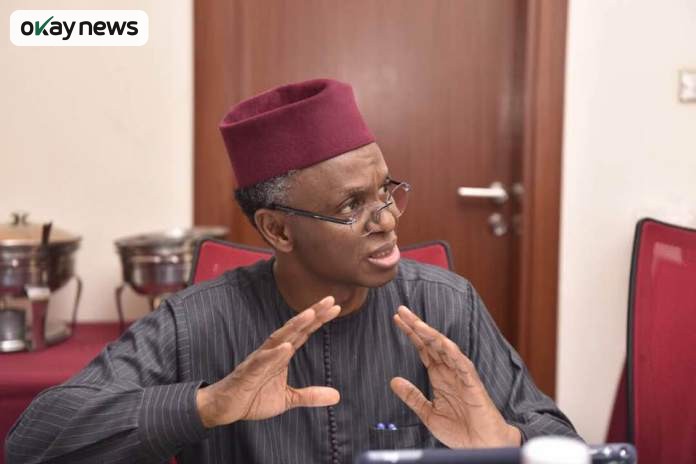
Okay News reports that El-Rufai made the remarks during an interview on ARISE News on Friday, February 13, 2026. He was responding to questions about allegations that the Kaduna State Government at the time may have been complicit in the incident, which occurred within its jurisdiction. Amnesty International has previously described the case as an enforced disappearance.
Dadiyata was taken by unidentified gunmen from his residence in Kaduna State, northwestern Nigeria, on August 2, 2019, and has not been seen since. Critics have argued that because the abduction occurred in Kaduna, the state government at the time should bear responsibility. However, El-Rufai rejected that position, stating: “They are totally wrong. What you have been given is not correct.” He added, “Dadiyata was not a fierce critic of the Kaduna State Government. He was a fierce critic of the Kano State Government. Go and review his timeline.”
The former governor, who led Kaduna State from 2015 to 2023, said the missing lecturer, who hailed from Kano State, was critical of the administration of then Kano State Governor Abdullahi Umar Ganduje. “It was Ganduje that was his problem,” El-Rufai said. “I didn’t even know he existed until he was abducted.”
While acknowledging that Dadiyata lived in Kaduna at the time, El-Rufai maintained that the state government had no prior knowledge of him. “Yes, he lived in Kaduna State, and it was our duty to protect him,” he said. “But how could we protect him when we didn’t even know he existed?” He further claimed that information gathered from the family suggested the abductors came from Kano, arguing that any questions about the disappearance should be directed to the Kano State Government rather than Kaduna.
El-Rufai also referred to what he described as a confession made three years after the abduction by a police officer who was reportedly posted from Kano to Ekiti State. According to him, the officer allegedly admitted that he and others were sent from Kano to carry out the abduction. “Three years after Dadiyata was abducted a police man confessed to someone that they were sent from Kano to abduct the guy, and he felt bad about it. That’s the only thing I know,” he added. “But it was not a Kaduna State problem.”
Despite these claims, Dadiyata’s disappearance remains unresolved, with ongoing calls from rights groups and members of the public for a comprehensive and transparent investigation into the circumstances surrounding his abduction.