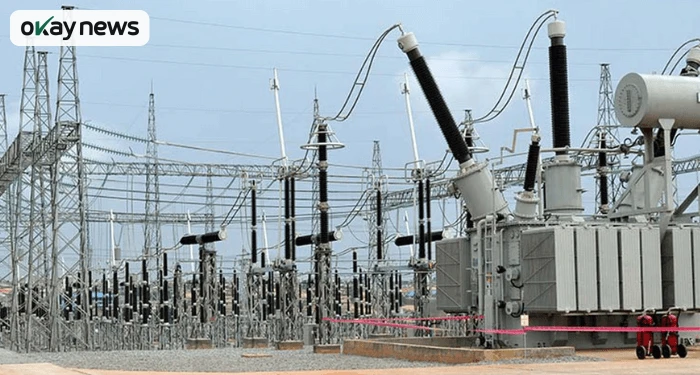
Nigeria experienced another nationwide electricity disruption on Monday afternoon after the national power grid collapsed, forcing power supply across most parts of the country to fall to near zero levels.
Okay News reports that distribution load data released at 3:12 pm on December 29, 2025, showed that only two electricity distribution companies were receiving power, leaving the rest of the country effectively in darkness.
Figures from Nigeria’s electricity Distribution Companies revealed that Ibadan Electricity Distribution Company received about 30 megawatts, while Abuja Electricity Distribution Company was supplied 20 megawatts, with all other DisCos allocated zero power.
Operators affected by the outage include Eko, Ikeja, Benin, Enugu, Jos, Kaduna, Kano, Port Harcourt, and Yola Electricity Distribution Companies, which together serve major urban and regional centres across the country.
Nationwide electricity distribution stood at just 50 megawatts, far below normal operating levels, disrupting households, businesses, and critical public infrastructure that depend on stable power supply.
The Nigerian National Grid confirmed that efforts were ongoing to restore electricity as of Monday evening, though no timeline was provided for full recovery of the system.
At the time of reporting, neither the Transmission Company of Nigeria nor the Federal Ministry of Power had issued an official explanation for the collapse, leaving the cause of the outage unclear.
Energy analysts say the incident highlights persistent structural weaknesses in Nigeria’s power sector, including ageing infrastructure, insufficient generation capacity, transmission bottlenecks, and recurring technical faults.
The latest disruption adds to a pattern of repeated grid failures recorded in recent years, which have often resulted in prolonged blackouts and significant economic losses for businesses nationwide.
The collapse has renewed pressure on authorities to implement long-term reforms, improve grid maintenance, and accelerate infrastructure investment to prevent recurrent nationwide power outages.