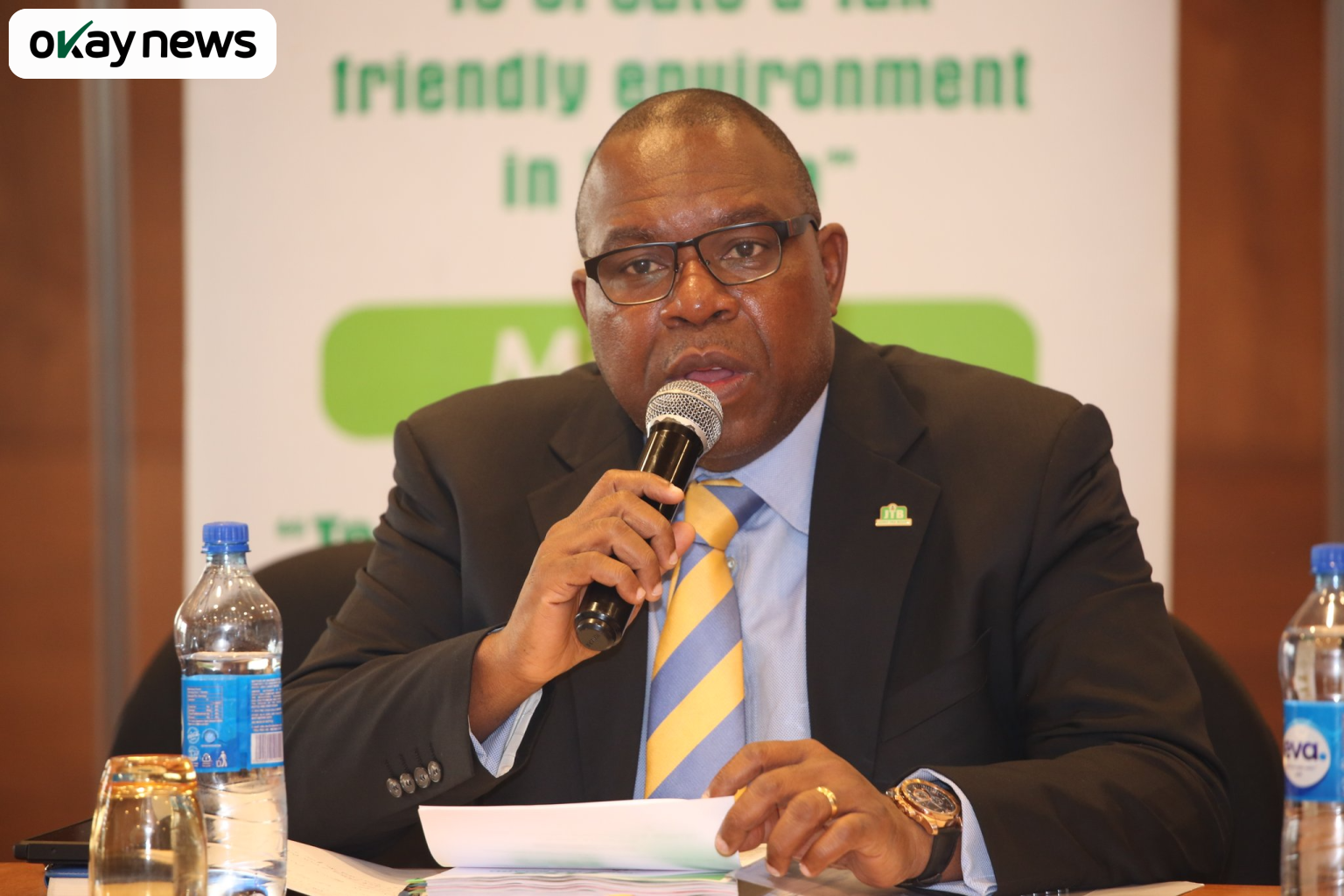
Abuja, Nigeria – The Federal Government has prohibited the collection of taxes in cash and barred revenue agencies from setting up roadblocks for enforcement, introducing new measures to standardise tax administration across the country.
Okay News reports that the Executive Secretary of the Joint Revenue Board announced the development on Tuesday during the formal signing of the Presumptive Tax Regulations and Guidelines for the Implementation of the Tax Laws. The regulations directly prohibit informal collection methods and enforcement tactics previously used in some jurisdictions.
The measures are intended to promote transparency and fairness in tax administration, particularly within the commerce and informal sectors. Nano and small businesses with an annual turnover of N12 million (approximately $7,670) and below are exempted from tax under the new framework. Other informal businesses will now pay one percent of turnover under the new presumptive tax structure.
The Minister of Finance described the signing as the beginning of implementation following legislative approval of the reforms. He stated that the government is transitioning from regulation to structured implementation of the tax reforms. The Chairman of the National Tax Policy Implementation Committee said the move signals a shift from policy planning to execution.
In June 2025, President Bola Tinubu signed four tax reform bills into law, aimed at overhauling revenue administration and improving coordination across all tiers of government. The four bills include the Nigeria Tax Bill, the Nigeria Tax Administration Bill, the Nigeria Revenue Service Establishment Bill, and the Joint Revenue Board Establishment Bill. Implementation of the new tax reforms began on January 1, 2026.
The informal sector accounts for more than 80 percent of employment nationwide but has historically contributed minimally to structured tax revenue due to systemic inefficiencies and compliance gaps. The newly signed regulations are intended to move tax enforcement away from discretionary practices toward a uniform national framework focused on transparency, digital compliance, and broader inclusion in the tax net.
The framework also promotes the use of technology-driven payment systems and seeks to align tax administration across federal, state, and local governments. An ombudsman mechanism has also been introduced to monitor implementation and address complaints from taxpayers. Officials said the measures will help restore order where there has been fragmentation and replace arbitrariness with transparency.
This tax enforcement reform seeks to move collection away from discretionary practices toward a uniform national framework focused on transparency and digital compliance. By eliminating cash collections and roadblocks, the government aims to reduce opportunities for leakage and harassment while improving overall taxpayer confidence in the system.