Nigeria, Africa’s most populous nation and largest economy, has earmarked N149.24 billion for the Ministry of Marine and Blue Economy in its 2026 Appropriation Bill. This investment aims to develop critical infrastructure and enhance maritime safety. It also seeks to stimulate growth in the fisheries sector to reduce the country’s reliance on imported food products, complementing the Nigeria rice import freeze.
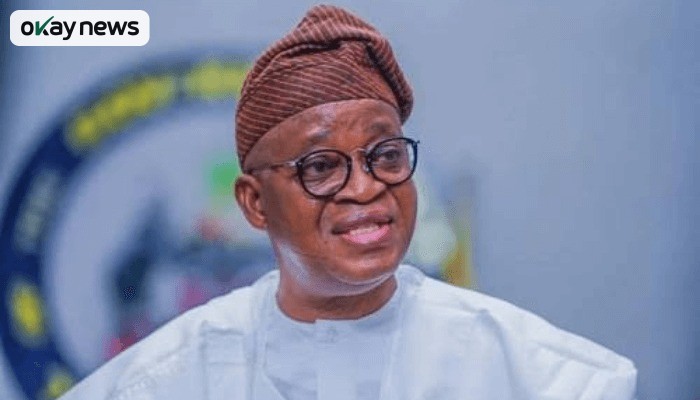
Okay News reports that the proposed budget directs N136.4 billion toward capital expenditure. This represents over 91 per cent of the total allocation. Adegboyega Oyetola, Nigeria’s Minister of Marine and Blue Economy, leads the implementation of these projects. The ministry harnesses the economic potential of Nigeria’s coastline and inland waterways.
Infrastructure Growth Under Nigeria Blue Economy Budget 2026
A significant portion of the funding supports the construction of 10-tonne capacity local fish feed mills across Nigeria’s six geopolitical zones. The government allocated N145 million for these mills to lower production costs for farmers. Additionally, N129.9 million is set aside for solar power projects in coastal communities.
The budget also covers the dredging of major inland waterway corridors. These include Lagos and Lokoja. Other targeted areas include the Onitsha–Baro route and the Calabar–Akwa Ibom corridor. Plans feature the revitalization of the Sapele Seaport in Delta State and the procurement of patrol boats to enhance maritime security.
Industrial Response To Fisheries Development
Muda Yusuf, the Chief Executive Officer of the Centre for the Promotion of Public Enterprises, described the initiative as timely. Yusuf stated: “For me, it is a very good initiative because one of the biggest challenges in the fishing business is the cost of feed. It’s one of the biggest challenges they face. The market is there, but the cost is a major challenge. This will help to alleviate or mitigate the challenge of high cost.”
The Fishery Cooperative Federation of Nigeria also praised the intervention. The group noted that developing fish terminals and harbours would facilitate private sector growth and create jobs. Further allocations include funds for marine protected areas and litter control in line with the MARPOL Convention. These steps position Nigeria as a leader in sustainable ocean management in the West African sub-region.