
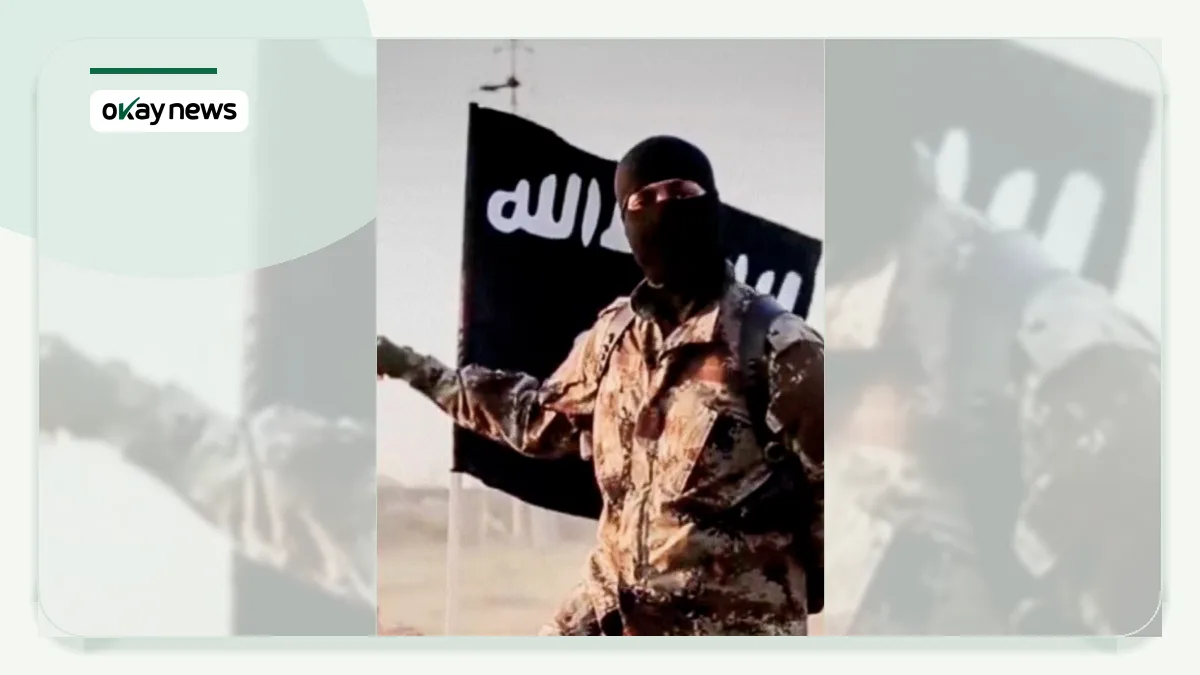
The Nigerian Presidency has pushed back against claims questioning the reported killing of senior Islamic State West Africa Province (ISWAP) commander, Abu-Bilal Al-Manuki, insisting the latest joint military operation involving Nigerian and American forces was backed by months of intelligence gathering and target verification.
The clarification followed growing online debate after reports surfaced suggesting Al-Manuki had previously been declared dead during earlier counterinsurgency operations in Kaduna State in 2024.
In a statement posted on X, Bayo Onanuga, Special Adviser to President Bola Ahmed Tinubu on Information and Strategy, said earlier reports linking the ISWAP figure to a past operation were based on incorrect battlefield assessments.
Okay News reports that security officials now maintain that the latest operation in the Lake Chad Basin was carried out with significantly higher intelligence precision and multi-layered verification.
According to the Presidency, Al-Manuki’s name had appeared among suspected insurgent commanders reportedly killed during military offensives around the Birnin Gwari forest axis last year. However, intelligence agencies later concluded that the identification was inaccurate.
“Security officials now clarify that the earlier listing was a case of mistaken identity or misattribution in the fog of sustained counterinsurgency operations,” the statement said.
The Presidency added that intelligence linked to the latest operation was built over several months through coordinated surveillance efforts, including digital tracking, communications monitoring, and human intelligence sources.
Officials said security operatives initially attempted to capture the ISWAP commander alive and tracked his movements across several locations in northern Nigeria before the final operation was authorised.
“The intelligence trail did not emerge overnight. Rather, it was built over months of persistent tracking, digital surveillance, and human intelligence inputs,” the statement added.
The Presidency said the operation differed from previous missions because it involved extensive target validation before the strike was approved.
“Unlike the previous report, security authorities insist that the latest strike was executed with a significantly higher degree of precision, target validation, and multi-source intelligence confirmation,” Onanuga said.