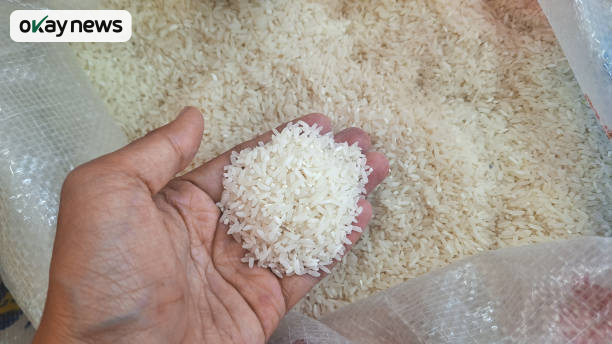
Nigeria, Africa’s most populous nation and largest economy with over 200 million people, faces a potential cessation of rice imports following new policy recommendations. A federal agribusiness committee has urged the government to formally close rice import windows to protect domestic production. This Nigeria rice import freeze is designed to correct structural vulnerabilities where national supply remains overly dependent on foreign grain.
Okay News reports that the National Agribusiness Policy Mechanism (NAPM), a data-driven framework launched in May 2025 to coordinate Nigeria’s food and agriculture policies, issued the recommendation in its Second Cycle Meeting communiqué. The committee, coordinated by the Presidential Food Systems Coordinating Unit in Abuja, Nigeria’s capital city, noted that while the country recorded a technical rice surplus of 1.1 million metric tonnes, this was sustained by high import volumes rather than local output. Peter Dama, the Chairman of the Competitive African Rice Forum Nigeria, a private sector interest group representing rice millers and processors, highlighted the crisis facing domestic operators. Dama stated, “Our mills have been shut down. We have retrenched workers. Is this the future for us in this country?”
Impact Of Falling Inflation On Import Policy
The policy shift is supported by data from the Central Bank of Nigeria (CBN), the nation’s monetary authority and financial system regulator, which shows food inflation fell to 10.84 per cent in December 2025. During the year, Nigeria produced 6.07 million metric tonnes of rice but spent an estimated N1.26 trillion importing an additional 2.4 million metric tonnes. This influx of cheaper foreign rice has severely impacted local industry viability.
Local Producers Face Profitability Crisis
Farmers currently face a negative gross margin due to the high costs of fertilizer and irrigation. A wet-season survey revealed a 7.9 per cent decline in domestic rice production as farmers struggle to compete with duty-free imports. Additionally, the extension agent-to-farmer ratio in Nigeria remains critical at one agent to 6,466 farmers. Consequently, many producers have abandoned rice for export-oriented crops like soybeans. The Presidential Food Systems Coordinating Unit is now preparing a formal technical memo for the National Council on Agriculture and Food Security to finalize the cessation of rice imports.