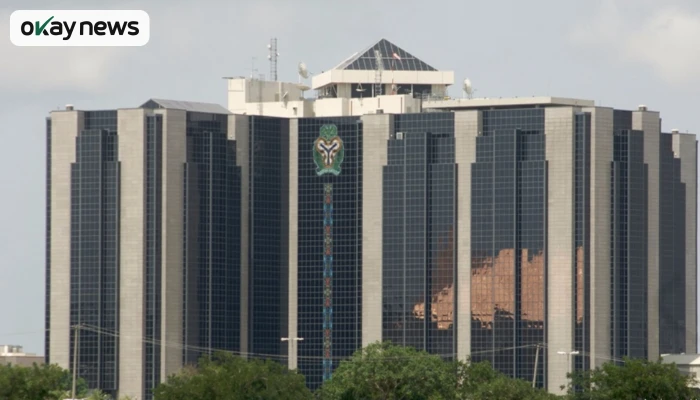
Nigeria’s external reserves have crossed the $46 billion mark for the first time in about eight years, highlighting steady accretion since 2025.
Okay News reports that the development is based on the latest data from the Central Bank of Nigeria dated January 22, 2026, signalling stronger buffers for import cover and currency stability ahead of elections.
Data shows reserves last reached this level on August 27, 2018, at $45.9 billion.
Reserves closed 2025 at about $45.5 billion, having opened the year at roughly $40.8 billion.
In contrast, reserves dipped below $40 billion at the same time last year, losing around $842 million amid the new FX regime.
Reserves have gained about $509 million in just 22 days of January 2026, rising consistently since December 19, 2025.
During the period, the official exchange rate stood at about N1,553 per dollar, while the parallel market traded near N1,645, creating a spread of over N100.
Sustained growth has coincided with a strengthening exchange rate, with the official market closing at about N1,421 per dollar and the parallel market at around N1,490.
The build-up reflects steady inflows and improved foreign exchange management since FX reforms began.
The CBN projects reserves at $51.04 billion by end-2026, up from $45.01 billion in 2025, supported by higher oil earnings, sovereign bond issuance, and increased diaspora remittances.
The Dangote refinery’s expansion to 700,000 barrels per day in 2025, and ultimately 1.4 million in the medium term, is expected to further boost reserves.
At $46 billion, reserves can cover about 15 months of goods imports or roughly 10 months including services.
While reserve growth is positive, concerns persist around dollarization in sectors like real estate and potential FX pressure from election spending.