

By using this site, you agree to the Privacy Policy and Terms of Use.
Accept
Okay News
  • News
  • Politics
  • Business
  • Technology
  • Security
  • Entertainment
  • Sports
Reading: Nigeria’s Forex Reserves Dip Amid Naira’s Strength, Raising Economic Concerns
Font ResizerAa
Okay NewsOkay News
  • News
  • Politics
  • Business
  • Technology
  • Security
  • Entertainment
  • Sports
Follow US
2026 © Okay International Limited - All rights reserved
NewsTop stories

Nigeria’s Forex Reserves Dip Amid Naira’s Strength, Raising Economic Concerns

Genesis Obong
By
Genesis Obong
ByGenesis Obong
Genesis Obong is a Journalist with relevant experience in Business, Finance and Economic matters in Nigeria and across the West African space.
Follow:
Published: 2025/03/10
10 Min Read
Share
Forex Reserve
SHARE

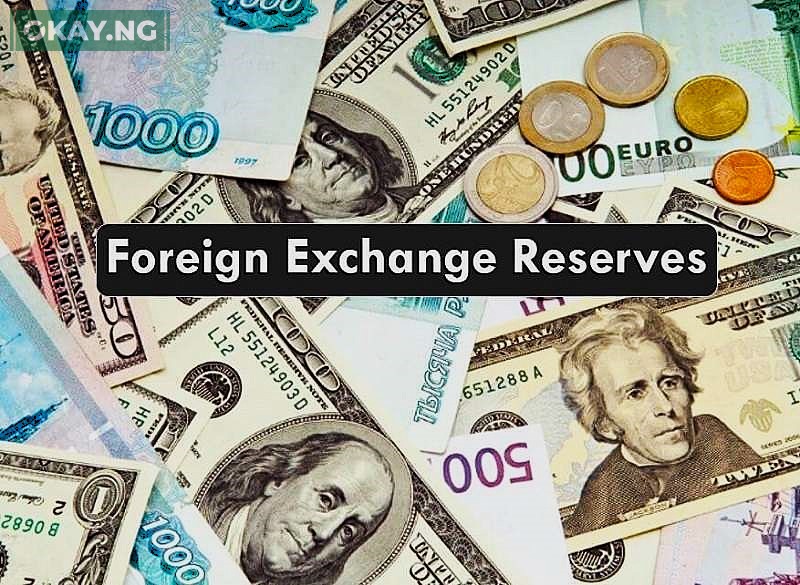
Nigeria’s foreign exchange reserves experienced a significant decline in February 2025, falling by $1.31 billion, even as the naira demonstrated notable strength against major foreign currencies. This paradox has ignited discussions about the sustainability of the Central Bank of Nigeria’s (CBN) interventions and the broader implications for the nation’s economic stability.

The CBN data reveals a drop from $39.72 billion on January 31st to $38.42 billion by February 28th, a 3.3% decrease. This exceeds the 1.16 billion decline observed in January, signaling a persistent strain on the nation′s external financial buffers.

“The steady depletion of reserves has raised concerns,” as noted from the data, especially given the CBN’s aggressive efforts to stabilize the naira.

When we speak of reserves, we′re not just talking about abstract numbers. These figures under pin our ability to import essential goods, service our debts, and maintain investor confidence. A sustained decline could translate to higher prices for everyday Nigerians, increased borrowing costs for the government, and a potential dampening of foreign investment. Why the decline? Nigeria’s reliance on imports, coupled with ongoing challenges in oil production, plays a significant role. Despite recent oil price rebounds, crude theft and pipeline vandalism continue to hinder forex inflows, limiting the CBN′s capacity to replenish reserves.

- Advertisement -

According to the Organization of the Petroleum Exporting Countries (OPEC), Nigeria′s oil production has struggled to meet its quota, impacting potential revenue.

Read Also: Nigeria’s Foreign Reserves Plummet by $832 Million in January

“The country remains highly reliant on imports of industrial goods and food supplies, leading to high FX outflows,” as stated in the analysis.

This import dependency is a critical factor, and directly impacts the cost of living for everyday citizens. However, amidst this reserve depletion, the naira experienced are markable appreciation in in February. The currency strengthened against the US dollar, closing at N1,540/$ from N1,620/$, a 7.41% increase.

The official exchange rate also stabilized, closing at N1,496/$ in the Nigerian Autonomous Foreign Exchange Market (NAFEM), narrowing the gap between the official and parallel market rates. This convergence is a positive sign, indicating progress towards a unified forex market, which could reduce speculation and arbitrage.

But here’s the crucial question: at what cost? The CBN’s interventions, while bolstering the naira, appear to be drawing down reserves. This raises concerns about the long-term sustainability of this strategy. A lower reserve level could potentially affect Nigeria’s credit rating and investor confidence, making it more expensive for the government to access international capital markets.

“The depletion of external reserves has also raised concerns over Nigeria’s capacity to meet external debt obligations,” a critical point that demands attention. Nigeria holds significant foreign debt, and a decline in reserves could weaken its ability to meet these obligations.  

Moving forward, Nigeria must address its structural economic challenges. Diversifying the economy, boosting domestic production, and tackling oil sector inefficiencies are crucial steps. As a news writer, I believe that informed public discourse is essential for navigating these complex economic issues. We must critically examine the data, understand the implications, and hold our institutions accountable.


Follow Okay News channel on WhatsApp
Add as a preferred source on Google
Follow Okay News on Instagram
- Advertisement -

TAGGED:CBNEconomyFinancial MarketsForex ReservesNairaNigeria
Share This Article
Facebook Pinterest Whatsapp Whatsapp Email Print
Previous Article South Sudan security crisis US Orders Non-Emergency Personnel Evacuation Amid Escalating South Sudan Security Crisis
Next Article Natasha’s Beauty is Her Problem, No Man Will See A Beautiful Woman and Not React – Sen Adeseyi

Stay Connected

FacebookLike
XFollow
InstagramFollow
TiktokFollow
WhatsAppFollow
- Advertisement -

More News

News

Senator Ibrahim Says Senate’s Electoral Act Changes Follow Supreme Court Guidance

By Oluwadara Akingbohungbe
5 Min Read
Pope Leo XIV
News

Pope Leo Condemns Attacks in Nigeria, Urges Stronger Protection for Citizens

By Adamu Abubakar Isa
1 Min Read
News

Police Arrest Three Suspects Over Kidnap of Edo Medical Doctor

By Adamu Abubakar Isa
2 Min Read
Okay NewsOkay News
2026 © Okay International Limited - All rights reserved
  • About Us
  • Advertising
  • Contact
  • Careers
  • Team
Welcome Back!

Sign in to your account

Username or Email Address
Password

Lost your password?

Continue with Facebook
Not a member? Sign Up