


Abuja, Nigeria – Nigeria’s Export Processing Zones Authority (NEPZA) has urged the European Union to integrate Nigeria’s Special Economic Zones into European value chains as part of efforts to deepen trade ties and support industrial growth.
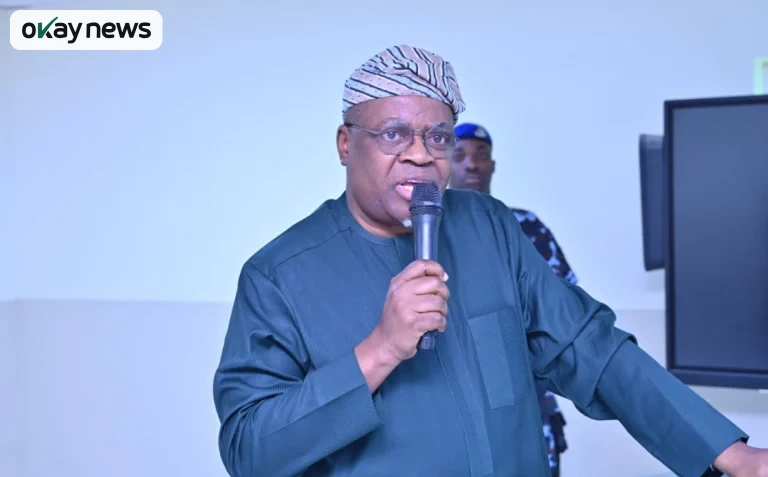
The Managing Director and Chief Executive Officer of NEPZA, Olufemi Ogunyemi, made the call on Monday during a trade and investment facilitation meeting held at the European House in Abuja, Nigeria’s capital, according to a statement issued by the authority.
Okay News reports that Ogunyemi addressed European ambassadors, heads of delegation from European Union member states, and representatives of the European Commission and the European External Action Service at the meeting.
Speaking at the event, Ogunyemi said Nigeria’s Free Trade Zones could serve as strategic platforms for expanding economic cooperation between Europe and Africa at a time of significant global economic realignment.
“It is a privilege to address this distinguished gathering at this critical moment in global economic history. Our discussion today examines how Nigeria’s Free Zones, under NEPZA’s strategic framework, can serve as effective platforms to enhance EU–Nigeria economic cooperation amid significant structural change,” he said.
Ogunyemi said the global economic system was shifting away from a predictable, rules-based order toward one shaped by geopolitical pressures, supply chain disruptions, and changing alliances. He argued that Nigeria’s Special Economic Zones offered Europe an opportunity to diversify its economic partnerships.
“As the global order shifts from a predictable, rules-based system to one shaped by shifting alliances and economic pressures, the European Union should increasingly leverage Nigeria’s Special Economic Zones to expand and deepen our existing economic partnership,” he said.
He added that recent policy signals from European leaders, including an emphasis on economic resilience, strategic autonomy, and diversified supply chains, aligned closely with Nigeria’s free zone framework.
“We recognise how EU leaders have articulated a vision of European independence and economic strength rooted in diversified, resilient and strategically aligned partnerships rather than reliance on a narrow set of global suppliers or geopolitical arrangements,” Ogunyemi said.
According to him, increased European investment and commercial activity along Nigeria’s Special Economic Zone corridors would help reduce concentration risks in supply chains while boosting capital flows into West Africa’s fast-growing markets.
Ogunyemi also said the European Union’s ongoing economic realignment highlighted the need for more balanced and mutually beneficial partnerships between Europe and Africa, particularly in industrial production, manufacturing, and services.
While noting that the EU remains Africa’s largest trading and investment partner, he said the current structure of trade between the two regions continued to pose long-term challenges.
“Even as we acknowledge that the European Union is Africa’s leading partner in trade and investment, with trade in goods between the two continents amounting to nearly €355 billion in 2024 and trade in services exceeding €100 billion, the persistence of a trade structure dominated by Africa’s raw material exports presents a shared strategic challenge,” Ogunyemi said.
He warned that reliance on primary commodity exports without sufficient value addition constrained industrial development, limited skills growth, and threatened the sustainability of supply chains linking Africa and Europe.
Targeted investment in Nigeria’s Special Economic Zones, he said, could help address these imbalances by promoting manufacturing, processing, and export-oriented industries that support job creation and technology transfer.
The meeting was attended by ambassadors from European countries, heads of European Union member state delegations, and officials of the European Commission and the European External Action Service.

 has urged the European Union to integrate Nigeria’s Special Economic Zones into European value chains as part of efforts to deepen trade ties and support industrial growth.)