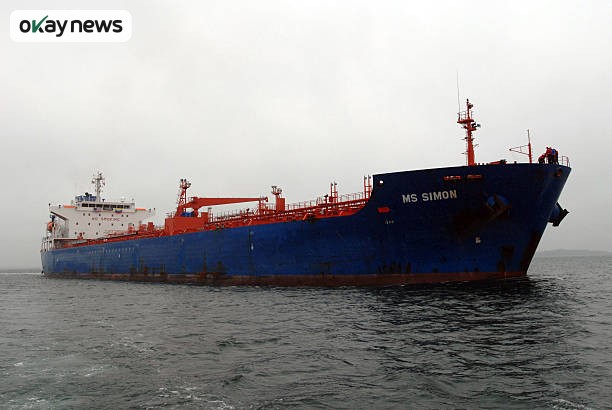
Dubai, UAE – Global oil and gas shipping rates surged to record levels as tensions escalated between the US and Iran, with supertanker costs in the Middle East hitting all-time highs following Tehran’s targeting of vessels transiting the strategic Strait of Hormuz.
The benchmark freight rate for Very Large Crude Carriers shipping two million barrels of oil from the Middle East to China reached an all-time high of $423,736 per day, according to LSEG data, more than doubling from Friday’s levels.
Okay News reports that shipping through the Strait of Hormuz, which carries roughly one-fifth of the world’s oil and significant quantities of liquefied natural gas, has slowed to a near halt following retaliatory strikes by Iran in response to US and Israeli attacks. An Iranian Revolutionary Guards senior official claimed on Monday that the strait is closed and warned that any ship attempting passage would be fired upon, though the US military’s Central Command stated the waterway remains open.
Daily freight rates for LNG tankers surged more than 40 percent on Monday after Qatar halted production, with Atlantic rates rising to $61,500 per day and Pacific rates climbing to $41,000 per day, according to Spark Commodities. The disruption, combined with fears of a prolonged closure, has driven Brent crude futures up nearly 10 percent this week amid multiple shutdowns of oil and gas facilities across the Middle East.
The rising shipping costs and crude prices are already impacting downstream markets, including Nigeria. The Dangote Petroleum Refinery increased its Premium Motor Spirit gantry price by N101, raising the ex-depot rate from N774 to N875 per litre (approximately $559 to $504 based on current exchange rates), following volatility in global crude prices which surged past $80 per barrel. Petrol loading operations at the refinery were suspended effective midnight on March 2 as a precautionary response to the spike in crude oil prices. This shipping costs surge underscores the vulnerability of global energy supply chains to geopolitical tensions in the Middle East.