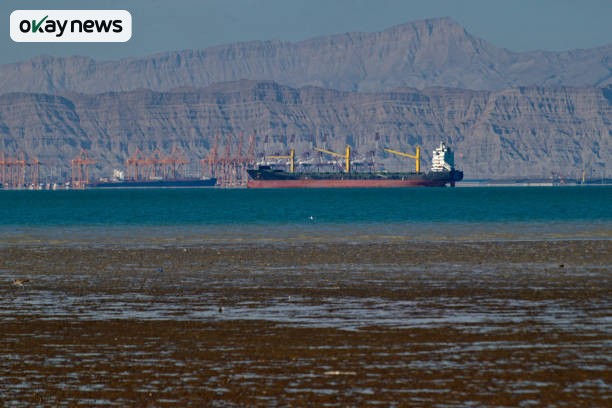
Oil and gas tankers are increasingly avoiding the Strait of Hormuz following US and Israeli strikes on Iran, with several vessels turning back or delaying entry into the critical waterway amid heightened regional tensions.
Okay News reports that tracking data shows some tankers reversing course, with at least one shipowner opting not to send its vessel into the strait. Traffic has dropped significantly compared to normal levels, with vessels idling or taking alternative routes outside the waterway.
The United States has established a maritime warning zone in the Persian Gulf, advising that dangerous military operations are taking place and that the US Navy cannot guarantee the safety of merchant shipping.
The Strait of Hormuz handles roughly one-fifth of global oil supply, making it one of the world’s most strategic oil chokepoints. With Qatar relying on Hormuz for LNG exports, prolonged disruption could have substantial implications for global gas markets.
The strikes follow mounting tensions over Iran’s nuclear and missile programmes. An Israeli airstrike reportedly hit a school in southern Iran, killing dozens of people and highlighting the growing civilian toll from the bombardments.
The movement of oil tankers away from the strait reflects the vulnerability of global energy supply chains to geopolitical shocks. Continued disruption could have significant implications for global energy prices and supply stability.