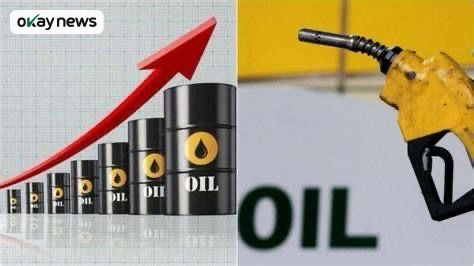



OPEC+ has agreed in principle to increase oil production by 206,000 barrels per day in April, a slightly larger hike than previous monthly increments, as a conflict sparked by US-Israeli strikes on Iran threatens to disrupt global supplies.
The decision by key members led by Saudi Arabia and Russia surpasses the monthly additions of 137,000 barrels per day recorded in the fourth quarter.
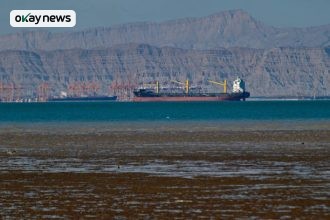
Okay News reports that the increase comes amid growing turmoil in the Middle East, where the conflict has threatened regional oil production and disrupted traffic through the critical Strait of Hormuz. Several Gulf members, including Saudi Arabia, Iraq, Kuwait, and the United Arab Emirates, had already begun boosting oil exports last month in anticipation of potential disruptions. The strait handles roughly one-fifth of global oil supply, making it one of the world’s most strategic energy chokepoints.
Analysts warn that the production increase may not be sufficient to offset potential supply disruptions. Jorge Leon of Rystad Energy noted that if oil cannot move through Hormuz, an extra 206,000 barrels per day does little to ease the market, as logistics and transit risk matter more than production targets. Helima Croft of RBC Capital Markets added that spare capacity is largely confined to Saudi Arabia, with other producers effectively maxed out.
For Nigeria, an OPEC member, the decision carries mixed implications. The country has struggled to meet its production quotas in recent months due to oil theft, pipeline vandalism, and underinvestment, limiting its ability to benefit from higher output caps. Oil revenues account for a major share of Nigeria’s foreign exchange earnings and government revenue, making global supply decisions critical for budget planning and currency stability. This OPEC production increase reflects the delicate balance between supporting global supply and responding to regional tensions. Sustained OPEC production adjustments will remain crucial for market stability amid ongoing geopolitical risks.