The international community is reacting with a mixture of celebration, alarm, and calls for restraint following the announcement by United States President Donald Trump that a large-scale military operation has resulted in the capture of Venezuelan President Nicolás Maduro and his wife, Cilia Flores.
While US Deputy Secretary of State Christopher Landau hailed the event as a ‘new dawn’ for Venezuela and a ‘victory over tyranny’, regional neighbors and global powers have expressed varying degrees of concern.
Venezuelan authorities, prior to the reported capture, characterized the strikes as a flagrant act of military aggression against their sovereignty and territory, calling for an urgent international response to what they described as state-sponsored terrorism.
In Latin America, the reaction has been swift and highly contentious, with Colombian President Gustavo Petro denouncing the strike as an assault on the sovereignty of the entire region.
Consequently, Petro has announced the deployment of military forces to the Venezuelan border to maintain regional security and reiterate the conviction that international law must prevail over armed confrontation. Similarly, Cuban President Miguel Díaz-Canel condemned the operation as a criminal attack and a brutal assault on the regional zone of peace, urging world leaders to react against America’s military intervention.
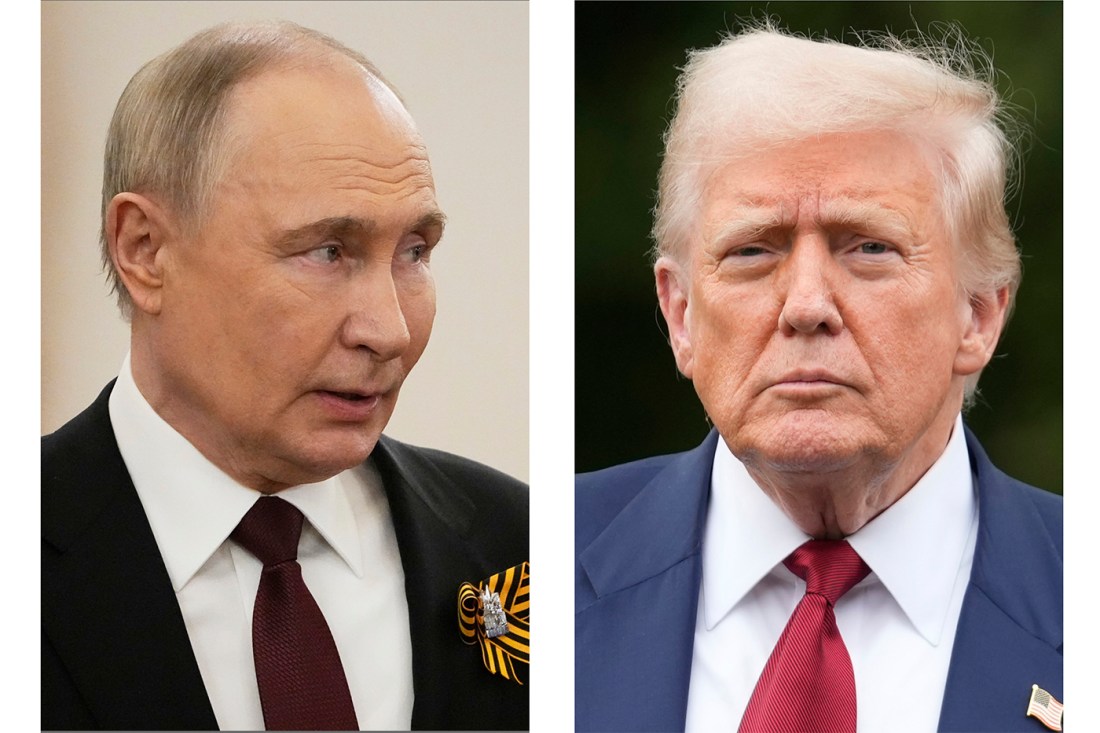
These sentiments were echoed by the Iranian Ministry of Foreign Affairs, which strongly condemned the violation of Venezuela’s territorial integrity and national sovereignty. Russia has also weighed in, expressing deep concern and labeling the U.S. actions as an act of armed aggression.
The Russian Ministry of Foreign Affairs emphasized that Venezuela must be allowed to determine its own destiny without destructive outside interference, reaffirming Moscow’s solidarity with the Venezuelan people while calling for dialogue to prevent further escalation.
Meanwhile, the European Union has taken a more measured approach, with High Representative Kaja Kallas stating that the bloc is closely monitoring the situation in Caracas. While the EU has previously questioned Maduro’s legitimacy, Kallas called for restraint and emphasized that international law and the UN Charter must be respected under all circumstances, highlighting the safety of EU citizens as a top priority. In Europe, Italy and Spain have also called for de-escalation, with Madrid offering to serve as a negotiator to help find a peaceful solution to the crisis.
Within the United States, Republican Senator Mike Lee indicated that the primary military phase of the operation may be reaching its conclusion. Following a briefing with the Trump administration, Lee noted that no further action is anticipated now that Maduro is in U.S. custody to face criminal charges. As the world awaits the upcoming press conference at Mar-a-Lago for further details, the geopolitical landscape of South America remains in a state of flux.