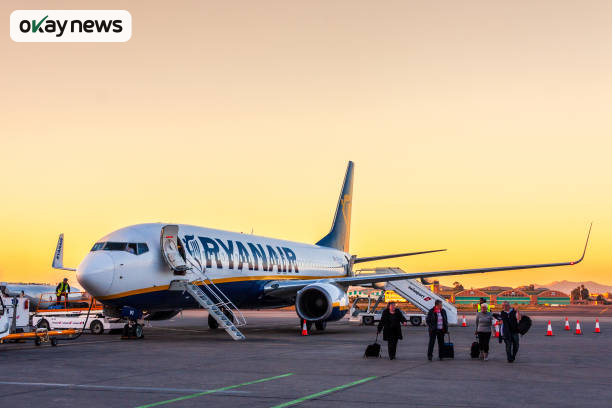
Ryanair, Europe’s largest low-cost carrier, expects flight prices to rise by up to 9 per cent this year. This updated forecast exceeds the 7 per cent increase previously predicted in November. The airline cites strong travel demand as it prepares to carry nearly 208 million passengers in 2026.
Okay News reports that the Dublin-based airline saw average fares rise by 4 per cent to €44 during the final quarter of 2025. Despite increased revenue, the company faced a significant drop in quarterly profits. Pre-tax profits fell 83 per cent to €24.4 million, down from €143.7 million in the same period the previous year.
Legal Challenges And Financial Performance
The profit decline follows a €256 million fine imposed by the Italian Competition Authority, Italy’s national antitrust regulator. The watchdog accused the airline of abusing its dominant market position by making it difficult for travel agencies to access its flight booking services. While Ryanair has labeled the fine “baseless” and plans to appeal, the penalty heavily impacted its recent earnings report.
However, total revenue for the carrier rose by 9 per cent to €3.21 billion. This growth was supported by a 6 per cent increase in passenger traffic, which reached 47.5 million people during the quarter. High booking volumes during the October school holidays and the December festive season contributed to the positive revenue trend.
Future Growth And Fleet Expansion
Michael O’Leary, the Chief Executive Officer of Ryanair, remains optimistic about long-term growth. He projected that full-year net profits could reach €2.23 billion, provided there are no major escalations in global conflicts. The airline aims to fly 300 million passengers annually by 2034.
To meet this goal, the company is waiting for a new fleet of Boeing 737 Max 10 aircraft from Boeing, the United States-based aerospace corporation. These planes are 21 per cent larger and more fuel-efficient than older models. Although Boeing has faced production delays in recent years due to labor strikes and quality issues, O’Leary expects the first deliveries to arrive on schedule by spring 2027.