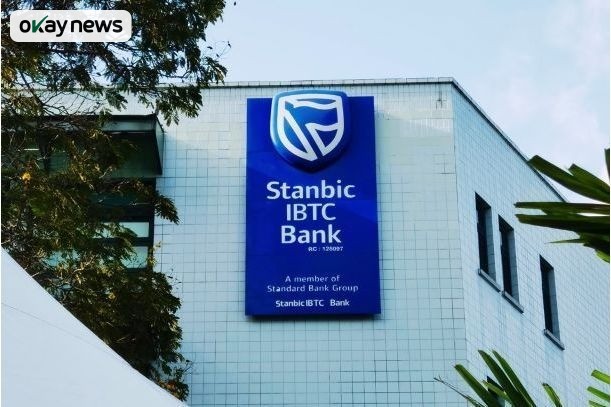
Lagos, Nigeria — Stanbic IBTC has cautioned that oil price volatility and global political uncertainty could derail Nigeria’s economic outlook in 2026, despite signs of improving macroeconomic fundamentals.
Okay News reports that the warning was issued during a virtual presentation titled “Nigeria 2026 Economic Outlook” hosted on February 10, 2026, by analysts from Stanbic IBTC Asset Management Limited led by Mr Abdul Azeez.
The analysts said Nigeria’s growth outlook for 2026 remains cautiously positive, with gross domestic product projected to expand between 4.1 per cent and 4.4 per cent. Inflation is also expected to moderate as structural reforms begin to yield measurable gains. However, they stressed that macroeconomic stability remains highly sensitive to external variables, particularly oil market performance and global political developments.
According to Abdul Azeez, oil price fluctuations, fiscal deficits and political transitions pose the most significant risks to stability. He noted that unpredictability in United States policy direction could influence global trade patterns and oil prices, with direct implications for Nigeria’s current account balance.
Nigeria’s fiscal and external position has historically been tied to crude oil performance. Recent reforms, including fuel subsidy removal and exchange rate liberalisation, have reshaped the macro framework and reduced the fiscal breakeven oil price to about 50 dollars per barrel. Improved domestic refining capacity has also lowered import dependence and supported investor sentiment.
Despite these gains, analysts warned that sustained oil prices below the 50 dollar benchmark could weaken trade balances, pressure external reserves and increase borrowing needs. Oil driven revenue volatility may also affect sovereign yields and tighten liquidity conditions.
They added that election cycle spending is unlikely to directly trigger inflation, noting that past inflation spikes were largely driven by exchange rate adjustments and supply side shocks rather than political expenditure alone.
Stanbic IBTC emphasised that reform continuity beyond the current political cycle remains critical. Any reversal of subsidy removal or foreign exchange liberalisation could undermine progress achieved over the past two years, even as market positioning reflects cautious optimism.