


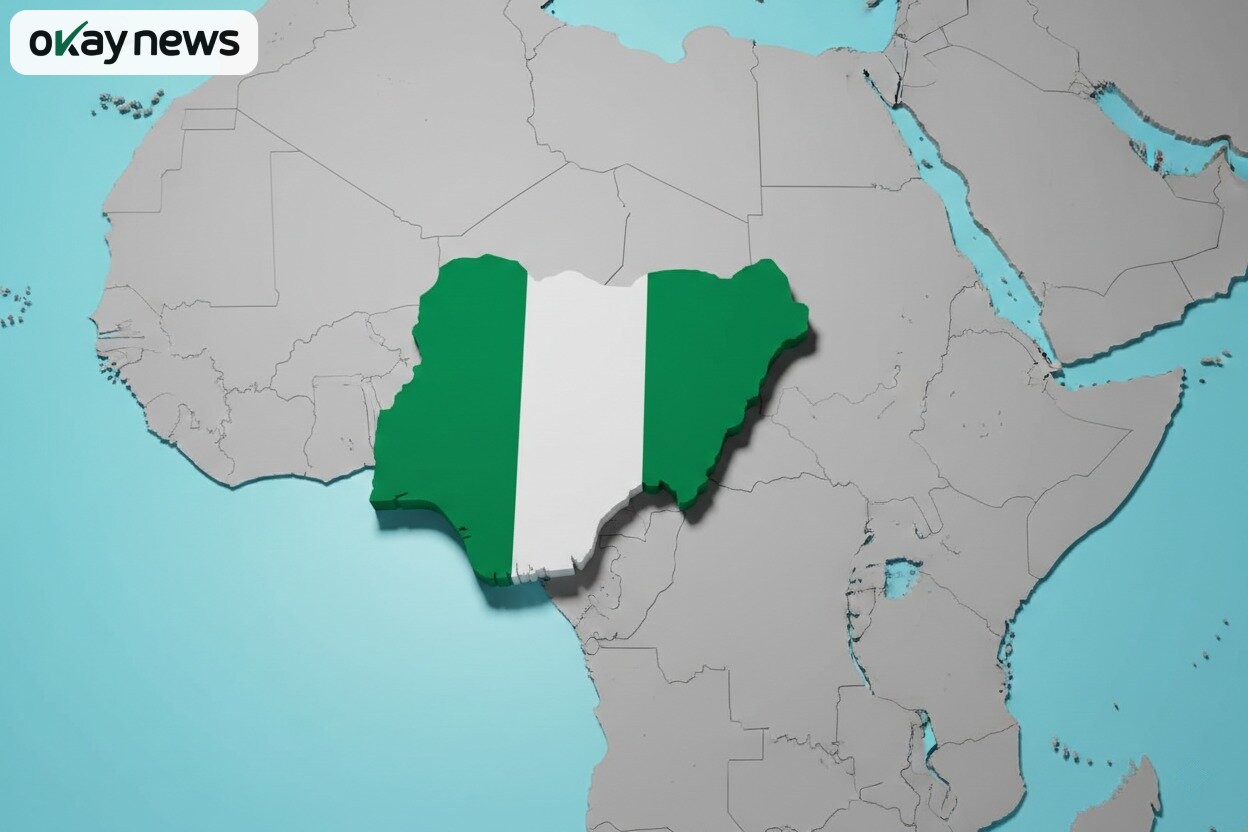
Nigeria’s relationship with debt is as old as the nation itself, shifting from a tool for colonial expansion to a modern-day fiscal mountain. Today, we stand at a crossroads where the numbers are so large they feel abstract. But every trillion on that ledge tells a story of a bridge built, a rail laid, or a budget gap filled. To understand where we are in 2026, we have to look back at the first kobo ever borrowed.
The Genesis: Railways and Colonial Crowns (1914–1960)
Before Nigeria was even a republic, it was a borrower. The British colonial administration utilized debt primarily for “extractive infrastructure”—railways to move groundnuts, coal, and tin to the coast.
-
The First Ledger (1923): The first documented major loan on Nigeria’s behalf was approximately £5.7 Million ($27.7 Million) at a 2.5% interest rate. By 1936, total debt hit £9.89 Million ($48.1 Million).
-
The Independence Grace (1958): Two years before the Union Jack came down, the first World Bank loan was signed by Nigeria’s first Finance Minister, Chief Festus Okotie-Eboh. It was a $28 Million (₦20 Million) credit to extend the railway into the Northeast (the Bauchi-Maiduguri line).
The Spiral: From “Jumbo” to the Trap (1970–2004)
The post-civil war era was initially “debt-light” thanks to the oil boom. However, the tide turned when we moved from soft “concessional” loans to the high-stakes International Capital Market (ICM).
-
The 1978 “Jumbo Loan”: Under the military government of Gen. Olusegun Obasanjo, Nigeria took its first major commercial loan of $1 Billion (approx. ₦606 Million). This opened the floodgates.
-
The 1980s Debt Trap: As oil prices crashed, Nigeria began “rescheduling” payments. By 1985, debt hit $19 Billion (approx. ₦17 Billion). By 2004, unpaid interest and penalties had ballooned the figure to a staggering $35.9 Billion (approx. ₦4.7 Trillion).
The Great Reset and the Modern Return (2005–2026)
In 2005, Nigeria achieved a “fiscal miracle” through the Paris Club Debt Relief.
-
The Exit Deal: Led by Finance Minister Ngozi Okonjo-Iweala, Nigeria paid $12.4 Billion (₦1.6 Trillion) in cash to clear arrears in exchange for a massive $18 Billion (₦2.3 Trillion) write-off.
However, the “clean slate” was short-lived. Following the 2015 oil price slump, the administration of President Muhammadu Buhari and Finance Minister Zainab Ahmed turned back to the markets. This era saw the rise of Eurobonds and the controversial “Ways and Means” (overdrafts from the Central Bank), which were eventually converted to official debt in 2024.
The 2026 Reality: The ₦144 Trillion Mountain
As of February 2026, the debt stock is a reflection of infrastructure ambition meeting currency devaluation.
| Category | Naira Value (2026 Est.) | US Dollar Conversion |
| Total Public Debt | ₦144.0 Trillion | $96.0 Billion |
| External Debt | ₦67.5 Trillion | $45.0 Billion |
| Domestic Debt | ₦76.5 Trillion | $51.0 Billion |
| Annual Debt Service | ₦9.3 Trillion | $6.2 Billion |
| (Calculated at a reference exchange rate of $1 = ₦1,500) |
Evidence of Inflows: Where did the money go?
International and domestic critics often ask for receipts. The evidence of recent borrowing is visible in these “concrete” milestones:
-
China Exim Bank Projects ($5.2 Billion / ₦7.8 Trillion): This funded the Lagos-Ibadan Rail, the Abuja-Kaduna Rail, and the modernization of four international airport terminals.
-
Sovereign Sukuk Bonds (₦1.13 Trillion / $753 Million): These funds are strictly “project-tied” to roads. The A2 Dual Carriageway and the Second Niger Bridge approaches were direct beneficiaries.
-
World Bank CARES ($750 Million / ₦1.1 Trillion): Distributed through the Ministry of Humanitarian Affairs for social safety nets during the post-pandemic recovery.
Evidence of Outflows: The Repayment Proof
Nigeria has maintained a “flawless” record of never defaulting on international sovereign debt.
-
2023 Eurobond Redemption: Nigeria paid back $500 Million (₦750 Billion) on July 12, 2023, proving it had the liquidity to meet obligations even in a FX crunch.
-
2025 dual-tranche Eurobond: In late 2025, the DMO successfully priced $2.35 Billion (₦3.5 Trillion) to refinance older maturing debts, showing continued investor confidence.
-
Ongoing Servicing: In 2025 alone, the Central Bank, under Governor Olayemi Cardoso, remitted over $3.5 Billion (₦5.2 Trillion) for external debt servicing.
Accountability Matrix: The Key Players
| Office | Historical/Current Holders | Role in Debt Lifecycle |
| Minister of Finance | Festus Okotie-Eboh, Ngozi Okonjo-Iweala, Zainab Ahmed, Wale Edun | Negotiation of terms and fiscal oversight. |
| CBN Governor | Abdulkadir Ahmed, Godwin Emefiele, Olayemi Cardoso | Managing FX for repayments and “Ways & Means.” |
| Director-General, DMO | Patience Oniha | Recording, managing, and servicing the debt stock. |
 mountain. Discover the facts on where the money went, evidence of consistent repayment, and the officials accountable for the nation's ledger.)