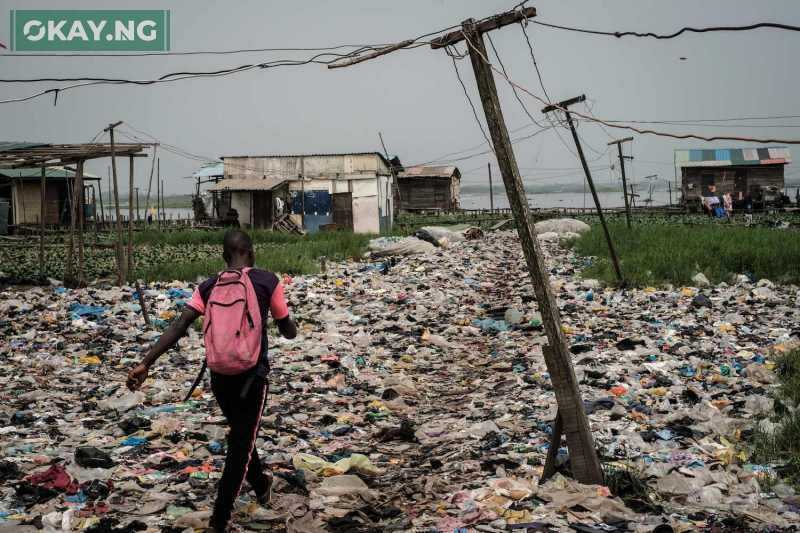
The World Bank has sounded an urgent alarm over the global sanitation crisis, stressing that nearly 40 percent of the world’s population still lacks access to safe sanitation. The consequences, the institution noted, are devastating for public health, economic growth, and the environment.
In its newly released report titled “The Global Sanitation Crisis: Pathways for Urgent Action”, the World Bank stated that Africa alone forfeits up to $200 billion annually in economic potential due to poor sanitation systems, adding that the continent’s Gross Domestic Product (GDP) could expand by as much as 5 percent if governments prioritize water and sanitation.
According to the United Nations, approximately 3.5 billion people worldwide still lack safe sanitation facilities, exposing communities to diseases such as cholera, typhoid, and diarrhoea, which collectively kill hundreds of thousands each year—particularly children under the age of five.
Urbanization, weak infrastructure, and poverty intensify the sanitation burden in African cities, where residents in informal settlements often rely on unsafe waste disposal methods that pollute water sources. The World Health Organisation (WHO) has repeatedly emphasized that the lack of proper sanitation directly undermines education and productivity, as children miss school and adults lose valuable workdays to illness.
The World Bank highlighted that every $1 invested in water supply and sanitation yields up to $7 in returns, while also reducing pollution, cutting greenhouse gas emissions by up to 10 percent, and boosting resilience against climate-driven disasters such as flooding and drought.
“Escalating climate-related threats—such as flooding, drought, and rising sea levels—are putting increasing strain on already fragile sanitation systems,” the report warned. “By investing in smart and resilient urban sanitation now, countries can turn this vicious cycle into a virtuous one.”
The report recommended urgent collaboration among governments, service providers, and communities to design inclusive, climate-resilient sanitation infrastructure.
okaynews.com reports that the Bank urged countries to embrace circular economy strategies that recycle wastewater and faecal sludge into energy and reusable resources, thereby reducing pollution and creating jobs.