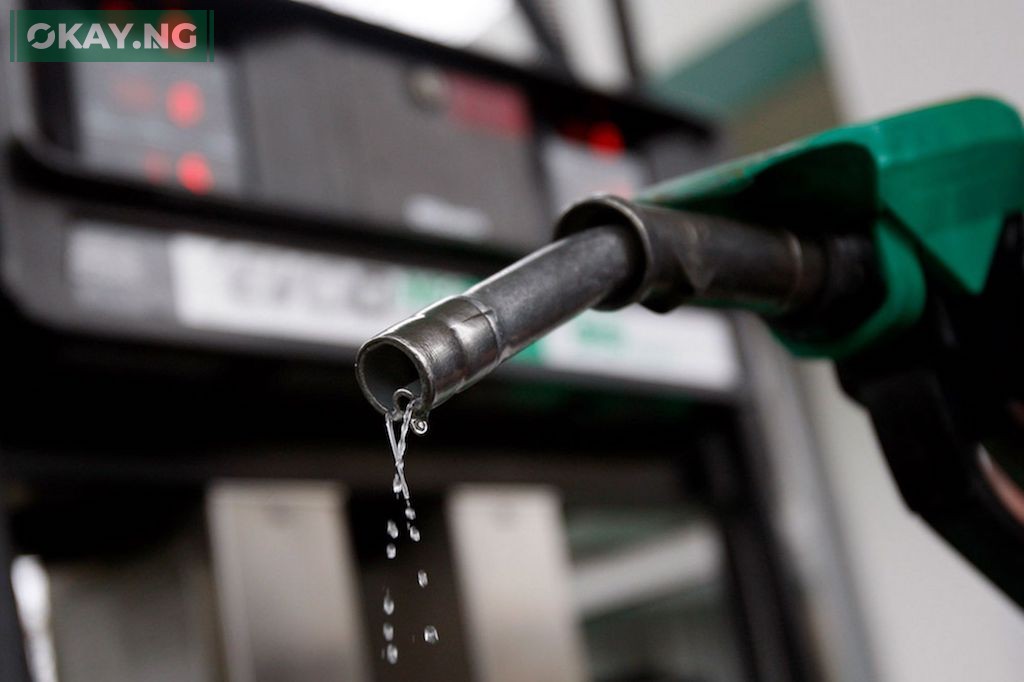
A sharp increase in the landing cost of imported petrol, coupled with the Dangote refinery’s controversial move to sell fuel in US dollars, has ignited national anxiety over potential price hikes and economic instability. Major oil marketers, under the Major Energies Association of Nigeria (MEMAN), revealed that the landing cost of petrol has surged by N88 per litre in just one week, climbing from N797 to N885. This spike, they argue, is an expected consequence of a deregulated market.
“This transition requires patience, adaptation, and trust,” stated Clement Isong, CEO of MEMAN, during a recent press training, acknowledging the inherent challenges of moving from a state-controlled system. However, for many Nigerians, the immediate impact is a growing fear of escalating living costs. “We urge the government to ensure that all transactions within the country are conducted in the local currency, the naira, to protect the economy and the welfare of Nigerians,” Billy Gillis-Harry, National President of the Petroleum Products Retail Outlets Owners Association of Nigeria (PETROAN), passionately argued.
The core of the current turmoil lies in the Dangote refinery’s decision to temporarily halt naira-denominated sales, citing a mismatch between their naira sales proceeds and dollar-denominated crude oil purchase obligations. “This decision is necessary to avoid a mismatch between our sales proceeds and our crude oil purchase obligations, which are currently denominated in U.S. dollars,” the refinery stated, highlighting the vulnerability of their operations to fluctuating exchange rates.
Read Also: Fuel Price War Erupts: Importers Undercut Dangote Refinery, Threatening Market Stability
This move has been met with fierce resistance from PETROAN, who fear it will exacerbate inflationary pressures and further strain the already weakened naira. “PETROAN opposes the sale of petroleum products or any other products within Nigeria in dollars. We believe that such a practice would have an adverse impact on the economy, bringing undue pressure on foreign currency and exacerbating Nigeria’s already challenging inflationary situation,” Gillis-Harry explained.
The implications are far-reaching. As consumers, we are all too aware of how fuel price increases ripple through the economy, affecting everything from transportation costs to the price of basic goods. The fear of scarcity, triggered by the refinery’s announcement, has led to panic buying, further destabilizing the market. This situation highlights the delicate balance between market deregulation and the need to protect consumers from volatile price swings.
Economists, like those from the Centre for the Promotion of Private Enterprise (CPPE), have long advocated for a fully deregulated market to attract investment and foster efficiency. However, they also emphasize the need for robust regulatory oversight to prevent market manipulation and protect consumers. “As key industry stakeholders, MEMAN strongly supports the role of regulatory agencies such as the Nigerian Midstream and Downstream Petroleum Regulatory Authority and the Federal Competition and Consumer Protection Commission in ensuring a fair, competitive, and well-regulated marketplace,” MEMAN’s Isong reiterated.
The current crisis serves as a stark reminder of the complexities inherent in transitioning to a deregulated energy sector. While the long-term benefits may include increased investment and efficiency, the immediate challenges, such as price volatility and currency fluctuations, demand careful management and transparent communication. As Nigerians, we watch closely, hoping that the government and industry stakeholders can navigate these turbulent waters to ensure a stable and affordable energy future.