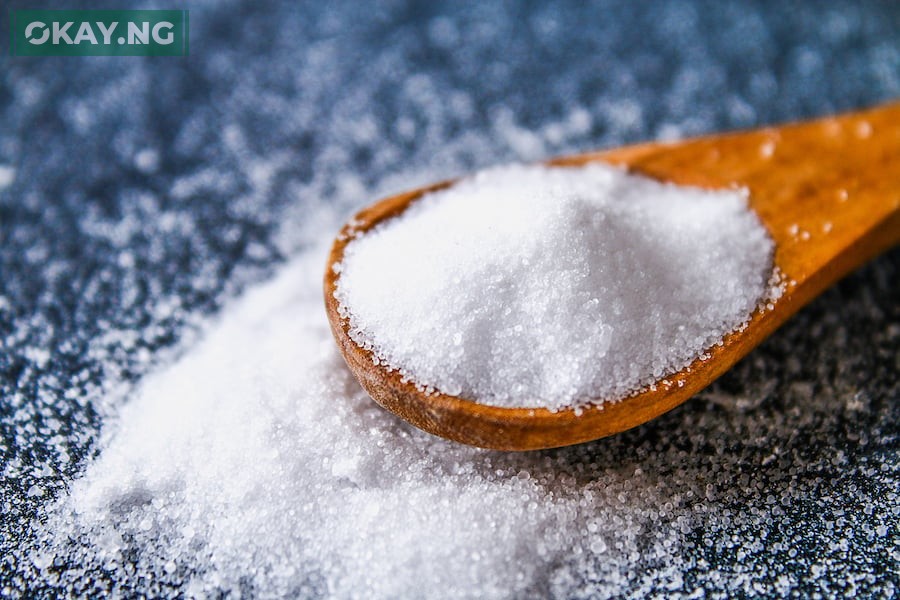
In a decisive move to combat the escalating burden of hypertension and cardiovascular diseases, the Federal Government of Nigeria has unveiled the National Guideline for Sodium Reduction. This policy, a first of its kind in Africa, aims to drastically curtail excessive salt consumption across the nation.
“Imagine, if you will, the daily struggle of millions grappling with hypertension,” began Iziaq Adekunle Salako, Minister of State for Health and Social Welfare, during the policy’s launch. “We are talking about more than 35% of Nigerian adults, a staggering figure that demands immediate action.” He highlighted that the average Nigerian consumes between 7 to 9 grams of salt daily, far exceeding the World Health Organization’s (WHO) recommended 5 grams. This overconsumption is a primary driver of hypertension, a silent killer that leads to severe cardiovascular issues.
The newly introduced guidelines provide a structured framework, mandating sodium limits in processed foods, implementing robust public education campaigns, and establishing continuous monitoring mechanisms. “This isn’t just about numbers; it’s about lives,” Dr. Salako emphasized. He urged the food industry to embrace reformulation, assuring them of governmental support during the transition. The National Agency for Food and Drug Administration and Control (NAFDAC) has been tasked with enforcing these sodium targets across all food products.
“We must grasp the urgency of this situation,” stated Daju Kacholom, mni, Permanent Secretary of the Ministry. “Excessive sodium intake is not merely a health concern; it’s a national crisis.” The guidelines, she explained, are evidence-based tools designed to promote healthier diets and enhance food safety. Success, however, hinges on collaborative efforts. “This is a call to action for government agencies, health professionals, the food industry, and civil society,” she added.
Read Also: Local Gin Producers Crack Down on Unwholesome Practices
Olubunmi Aribeana, Director of Food and Drug Services, underscored the gravity of the situation, citing WHO data that non-communicable diseases (NCDs) account for over 70% of global deaths, with high sodium consumption playing a significant role. “In Nigeria, the rising prevalence of hypertension and cardiovascular-related illnesses is a stark reminder of the impact of excessive sodium intake,” she explained. “This is not just about reducing salt; it’s about ensuring equity in food safety and nutrition.”
Beyond sodium reduction, the government also launched the National Guideline for Food Handlers’ Medical Test, reinforcing its commitment to food safety. This initiative aligns with the National Policy on Food Safety and Quality Implementation Plan, 2023.
“These policies represent a significant stride toward a healthier Nigeria,” Salako concluded. “We are not merely implementing guidelines; we are building a legacy of health and well-being for generations to come.”
The launch signifies a critical turning point in Nigeria’s public health strategy, acknowledging the profound human impact of dietary habits. This initiative, while rooted in scientific data, addresses the emotional and physical toll that cardiovascular diseases take on individuals and families. By fostering collaboration and driving change, Nigeria aims to create a healthier, more resilient society.