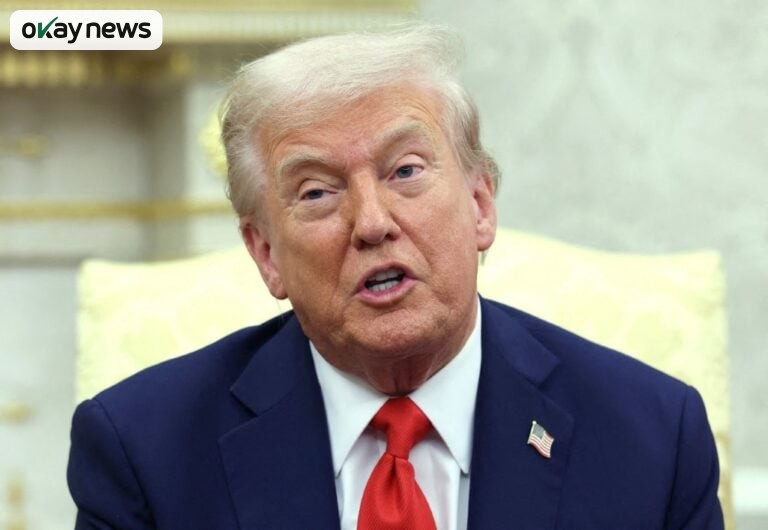
Legal experts and constitutional scholars have sharply criticized the recent statement by Donald Trump, the 47th President of the United States, threatening potential military intervention in Nigeria. The American leader had made the claim while addressing supporters during a political rally, where he accused Nigerian authorities of allowing “genocidal persecution” against Christians.
Trump’s remarks have generated widespread global reactions, with international observers and African analysts calling the statement reckless, unfounded, and dangerous for diplomatic relations.
Okay News reports that prominent legal scholars in both Nigeria and the United States have cautioned that such comments could inflame tensions and undermine bilateral cooperation. They argued that threats of military action against a sovereign African state constitute a breach of international law and contradict the principles of non-interference enshrined in the United Nations Charter.
Speaking on the issue, Professor Adebayo Adedeji, a constitutional law expert at the University of Lagos, emphasized that “no nation has the right to threaten the sovereignty of another under false pretenses.” He added that international disputes must be resolved through diplomacy, not intimidation.
In Washington, several foreign policy analysts also condemned Trump’s language, warning that it could strain U.S. relations with key African partners. They described his allegations as politically motivated and unsupported by credible evidence.
“This type of rhetoric not only damages America’s global image but also disrespects the millions of Nigerians who value peace and democracy,” said Dr. Laura Jenkins, an expert in international relations at Georgetown University.
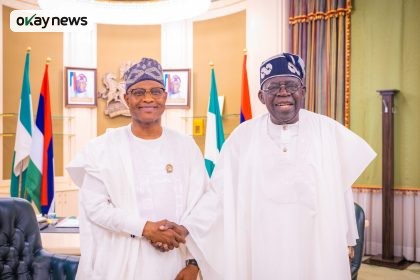
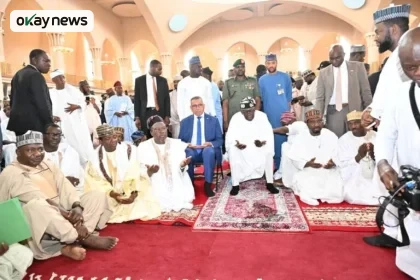
Meanwhile, Nigerian officials have reiterated their commitment to religious tolerance and human rights, dismissing Trump’s claims as an attempt to misrepresent Nigeria’s internal affairs for political gain.
Observers note that the controversy comes at a sensitive time when global attention is focused on Nigeria’s leadership role in regional peacekeeping and counterterrorism operations across West Africa.