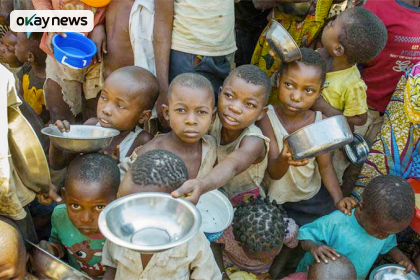
Cassava, rice, maize, and wheat account for 45% of calories consumed across Africa, underscoring the continent’s heavy reliance on a few staples and vulnerability to supply disruptions.
Okay News reports that the World Bank’s “Food at a Crossroads: The Nexus Between Transport, Logistics, and Food Security in Africa” warns of risks from price volatility, climate shocks, and inefficient logistics.
The report notes that Africa imports over 30 million tonnes of maize, more than 35 million tonnes of rice, and around 60 million tonnes of wheat annually from Europe, South Asia, and elsewhere.
Food travels an average of 4,000 kilometres over 23 days in Africa—four times longer than in Europe—increasing spoilage, loss, and delays.
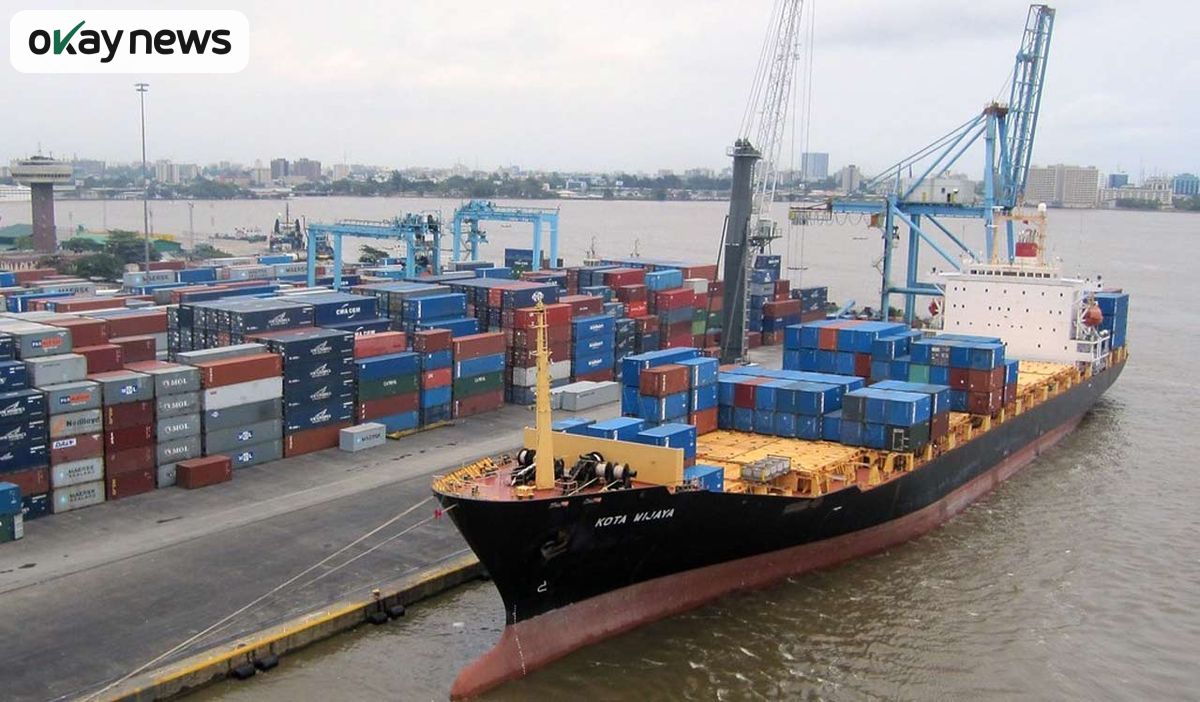
Seaports handle 14% of food imports, rising to 22% for landlocked countries and 37% for low-income nations, but outdated infrastructure creates bottlenecks.
Inadequate storage leads to post-harvest losses: 20% of cereals, 25% of rice and maize, and up to 40% of fruits and vegetables.
Losses of cassava, maize, rice, and wheat rose from 22.5 million tonnes in 2010 to 33.8 million tonnes in 2022, equivalent to nearly 30% of annual imports.
The World Bank recommends investments in ports, railways, roads, streamlined logistics, and simplified borders to reduce delays and support intra-African trade.
Modern storage, better handling, and logistics could cut losses significantly.
In Nigeria, the UN Food and Agriculture Organization (FAO) projects 34.7 million people could face severe food shortages in the 2026 lean season (June–August) without interventions.
Rising production costs, conflicts, economic shocks, and limited market/credit access drive the threat.
A Nairametrics survey of North-Central and North-West farmers found soaring fertiliser, fuel, and labour costs, plus insecurity and inadequate support, making farming unprofitable—many reduced cultivation or considered quitting.
The collapse of schemes like the Anchor Borrowers Programme and poor rural infrastructure further discouraged production.
Targeted support—subsidised inputs, credit access, mechanisation, and enhanced security—is critical to avert 2026 shortages.