



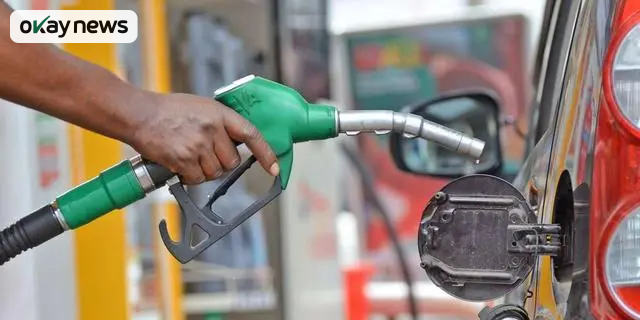
Nigerians spent an estimated ₦1.58 trillion on petrol in December 2025, according to consumption data released by the Nigerian Midstream and Downstream Petroleum Regulatory Authority (NMDPRA).
Okay News reports that the NMDPRA December fact sheet showed average daily petrol consumption of 63.7 million litres throughout the month. With 31 days in December, total nationwide usage reached 1.97 billion litres.
The high consumption was driven by increased travel, festive movements, and commercial activities during the Yuletide period.
The estimate is based on the average pump price of about ₦800 per litre that prevailed across major cities, with 1.97 billion litres multiplied by ₦800.
The Dangote refinery enforced a price reduction in December, lowering petrol prices from around ₦900 to ₦739 per litre. However, many filling stations, particularly in the north, sold above ₦800 during the Yuletide.
The calculation relies on the regulator’s daily consumption figures and the average retail price in a fully deregulated market, with pump prices varying slightly by location.
December typically records higher fuel usage than other months due to holiday travel, end-of-year logistics, and greater reliance on petrol-powered generators.
The 63.7 million litres per day in December 2025 was the highest since October 2024.
Year-on-year, daily consumption stood at 52.3 million litres per day in December 2024.
NMDPRA data showed consumption surged in October 2025 to 56.9 million litres per day, dropped to 52.9 million in November, and soared again in December.
Consumption figures are based on volumes trucked into the domestic market by the Dangote refinery and importers.
Nigeria imported approximately 1.31 billion litres of petrol in December 2025, while the Dangote refinery supplied 992 million litres.
Total petrol supply averaged 74.2 million litres per day, with imports accounting for 42.2 million litres per day and Dangote supplying 32 million litres per day.
About 10 million litres per day were not trucked out during the month.
The ₦1.58 trillion spending highlights the significant cost burden of petrol on households and businesses in a deregulated downstream market.

.)