


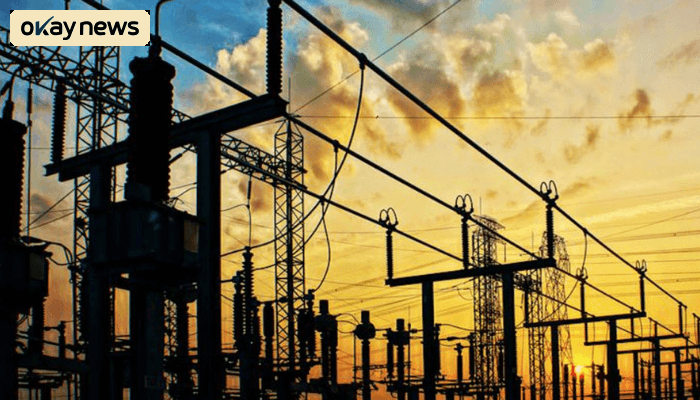
Nigeria has been plunged into a state of total darkness following yet another catastrophic failure of the national power grid. The incident occurred during the late morning hours on Tuesday, leaving millions of citizens and businesses without access to electricity as the infrastructure suffered a complete system breakdown.
Okay News reports that the collapse was recorded at approximately 10:54 AM on January 27, 2026, marking a significant blow to the nation’s energy stability. This latest failure follows a similar incident that occurred just four days prior, raising urgent questions about the resilience of the country’s power management systems and the frequency of these disruptions.
Technical data obtained from the National Grid reveals a total cessation of power generation, with the cumulative output plummeting to zero megawatts (MW). The disruption has affected all eleven electricity distribution companies (DisCos) across the federation, including those serving major economic hubs like Lagos, Abuja, Kano, and Port Harcourt.
According to the specific breakdown of load allocation, every regional distributor—from the Eko and Ikeja DisCos in the south to the Kaduna and Kano DisCos in the north—recorded a supply level of exactly zero. This total blackout implies that no part of the public utility network is currently functional, effectively stalling industrial production and domestic activities nationwide.
This current crisis comes on the heels of the first major grid collapse of the year, which took place on Friday, January 23. While the nation was still recovering from the economic and social disruptions of the previous week’s outage, this repeat occurrence suggests a persistent and unresolved vulnerability within the Nigerian Independent System Operator’s (NISO) framework.
At the time of this report, the relevant energy authorities have not provided a formal explanation for the technical cause of the collapse or a definitive timeline for the restoration of services. It is expected that technical teams will soon begin the delicate process of “black-starting” the grid to gradually return power to the affected distribution networks across the country.