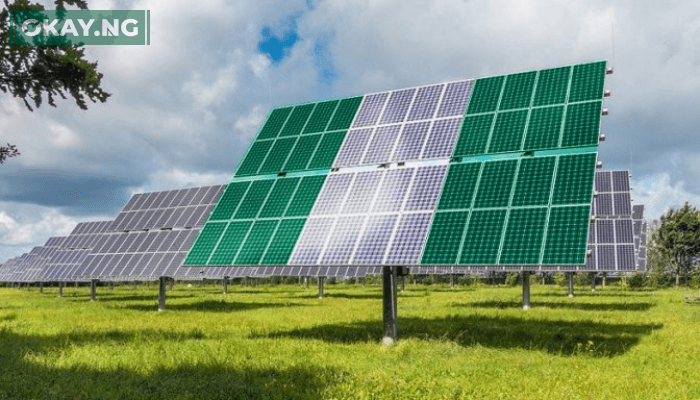
The Presidency has stepped forward to justify the contentious N10 billion solar power initiative earmarked for the Aso Rock Presidential Villa, drawing parallels with global sustainability efforts, notably the solar energy infrastructure at the White House in Washington D.C., United States.
Bayo Onanuga, the Special Adviser to President Bola Tinubu on Information and Strategy, took to social media platform X on Tuesday to share a video showcasing the solar panels installed at the White House. His post underscored the administration’s stance that the proposed project aligns with the progressive energy policies adopted by developed nations.
“The White House in Washington D.C. uses solar power,” Onanuga stated in his caption, aiming to contextualize the Nigerian initiative within a broader global movement towards renewable energy adoption.
This defense comes in the wake of increasing public scrutiny and criticism directed at the multi-billion naira undertaking. While a segment of the Nigerian populace has lauded the project as a forward-thinking step towards energy independence and a reduction in reliance on the frequently unstable national grid, others have voiced strong disapproval. Critics argue that allocating such a substantial sum to solar infrastructure for a single, albeit significant, location sends a discouraging message about the government’s commitment to addressing the systemic issues plaguing the national electricity network.
Read Also: Nigeria Slashes Electricity Supply to Niger Republic, Fueling Solar Surge
Concerns have been raised that prioritizing a self-sustaining power solution for the seat of government, while millions of Nigerians endure persistent power outages and lack of access to reliable electricity, highlights a perceived lack of urgency in overhauling the national grid and improving power distribution across the nation. This perspective suggests that the substantial investment in Aso Rock could be better directed towards bolstering the national energy infrastructure to benefit a wider population.
Conversely, proponents of the solar project argue that the Presidency is setting a crucial precedent by embracing clean energy solutions. They also emphasize the potential for long-term cost savings and enhanced energy security for vital governmental operations. This viewpoint frames the initiative as a strategic investment that could inspire wider adoption of renewable energy across the country.
The debate surrounding the Aso Rock solar project underscores the complex interplay between the need for sustainable energy solutions and the pressing challenges of Nigeria’s existing power infrastructure. As the government moves forward with its plans, the public discourse is likely to continue, focusing on the broader implications for national energy policy and equitable access to power for all citizens.