Nigeria’s Senator representing Kogi Central Senatorial District, Natasha Akpoti-Uduaghan, has called on Nigeria’s President, Bola Ahmed Tinubu, to ensure that the proposed ₦58.18 trillion 2026 Appropriation Bill delivers clear and measurable improvements in the everyday lives of citizens rather than remaining a collection of impressive financial figures.
The senator made her position known while reacting to President Tinubu’s presentation of the 2026 national budget at a joint sitting of Nigeria’s National Assembly, the country’s federal legislative body located in Abuja, Nigeria’s capital city, on Friday, 19 December 2025. While acknowledging the importance of the presentation, she cautioned against excessive focus on the size of the budget without sufficient attention to its real-world outcomes.
Okay News reports that Akpoti-Uduaghan warned that the sheer scale of public spending, no matter how historic, cannot by itself resolve Nigeria’s long-standing development challenges or improve living conditions for millions of citizens.
Reflecting on the President’s address, the lawmaker revealed that a specific remark stood out to her more than any other aspect of the speech.
“Of all the lengthy speeches, one line by Mr President struck me deeply.
‘It’s not the size of the budget but the quantum of impact felt by Nigerians,’” she said.
According to the senator, although the ₦58.18 trillion proposal reflects the enormity of Nigeria’s economic ambitions and structural difficulties, ordinary Nigerians are more concerned about how government spending translates into tangible benefits in their daily lives.
She stressed that citizens expect budgets to improve living standards through sustainable job creation, reliable infrastructure, affordable healthcare services, quality education systems, and accessible social welfare programmes, rather than remaining attractive projections on paper.
Akpoti-Uduaghan further underscored the importance of accountability in governance, stating that responsibility does not rest with leaders alone. She argued that active civic engagement and public scrutiny are essential to ensuring that budget promises translate into concrete outcomes.
“Leaders must do better, and citizens must demand accountability,” she stressed.
As a member of the Senate Committee on Finance, the senator has consistently championed fiscal transparency, prudent management of public funds, and people-focused budgeting. Her stance reflects growing public frustration that Nigeria’s expanding annual budgets have not produced matching improvements in welfare, productivity, or social stability.
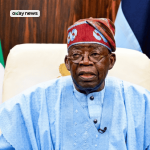
President Tinubu, during the same session, presented the 2026 Appropriation Bill while projecting cautious optimism about Nigeria’s economic direction. He pledged stricter budget discipline, stronger revenue enforcement across government agencies, and a firm security approach that classifies all armed non-state actors as terrorists.
The President explained that the proposal, titled “Budget of Consolidation, Renewed Resilience and Shared Prosperity,” was designed to secure recent macroeconomic gains, rebuild investor confidence, and convert economic stability into broad-based prosperity.
Defending his administration’s controversial economic reforms, Tinubu cited 3.98 per cent economic growth in the third quarter of 2025, eight consecutive months of declining inflation, improved oil production, stronger non-oil revenues, and renewed investor confidence as evidence of progress.
However, as legislative debates commence in the National Assembly, lawmakers such as Akpoti-Uduaghan insist that macroeconomic indicators alone are not sufficient. They argue that the ultimate test of the 2026 budget will be whether Nigerian households and communities genuinely feel its impact.