The World Health Organization (WHO) has issued a stark warning: sudden reductions in official development assistance (ODA) are plunging global health systems into crisis, with 70% of surveyed country offices reporting significant service disruptions. A recent rapid assessment, conducted by the WHO between March and April 2025 across 108 country offices, primarily in low and lower-middle-income nations, reveals the alarming consequences of these funding cuts.
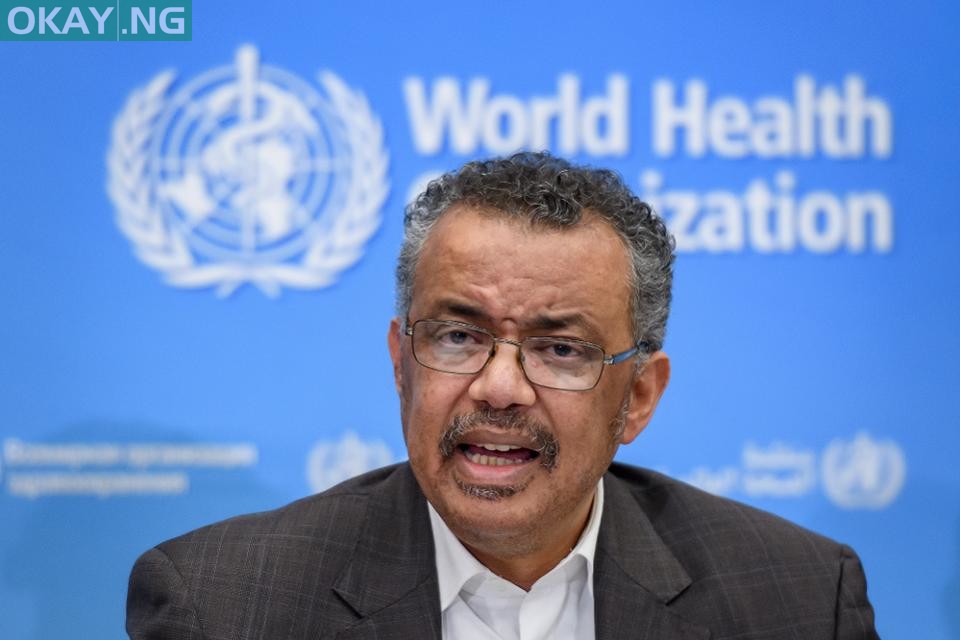
“The results paint a worrying picture of the consequences of sudden and unplanned aid cuts on the health of millions,” stated WHO Director-General Dr. Tedros Adhanom Ghebreyesus. This assessment highlights the profound impact of these cuts, ranging from compromised emergency preparedness to critical shortages in essential medicines and a depleted health workforce.
The implications are far-reaching. The WHO report indicates that ODA reductions are affecting all facets of health system functionality. Notably, 70% of countries reported disruptions in health emergency preparedness and response, 66% in public health surveillance, and 58% in service provision. These cuts are not merely abstract figures; they translate to tangible impacts on the ground. “At least one-third of responding countries reported disruptions across all health services, with severe impacts on outbreak detection and response, as well as services related to malaria, HIV, tuberculosis, sexually transmitted infections, family planning, and maternal and child health,” the report details.
For instance, the scale of disruptions in some regions is reportedly comparable to the peak periods of the COVID-19 pandemic. One-third of responding countries are facing critical shortages of medicines and health products, while over half have reported job losses among health and care workers. This loss of human capital, coupled with disruptions to training programs, threatens the long-term sustainability of healthcare systems.
Read Also: US Aid Freeze Cripples Global Health Programs, Warns WHO
Furthermore, information systems, the backbone of effective healthcare management, have been severely compromised. Over 40% of countries reported disruptions to essential health data systems, including emergency and surveillance systems, health management information systems, lab networks, and household and population surveys. Without robust data, timely and effective responses to health crises become nearly impossible.
The human cost of these disruptions is undeniable. “Up to 24% of WHO country office responses suggest that budget cuts are already leading to increased out-of-pocket payments, disproportionately affecting the poor and vulnerable,” the report underscores. This shift places an undue burden on those least able to afford it, exacerbating existing inequalities.
In response to this crisis, 81 of the 108 WHO country offices have requested urgent support across various health areas, including innovative funding mechanisms, technical assistance, and capacity building. Dr. Ghebreyesus emphasized that “although these cuts are a shock, they are also accelerating the transition from aid dependency to more sustainable self-reliance based on domestic resources.” He added that WHO is actively working with countries to identify and tailor the most effective measures.
The WHO’s commitment to monitoring this rapidly evolving situation is crucial. They are collaborating with global health partners and donor agencies to support immediate response efforts and promote long-term sustainability. The urgent need for coordinated international support is clear. Without it, the health and well-being of millions, particularly in the most vulnerable regions, hang in the balance.