
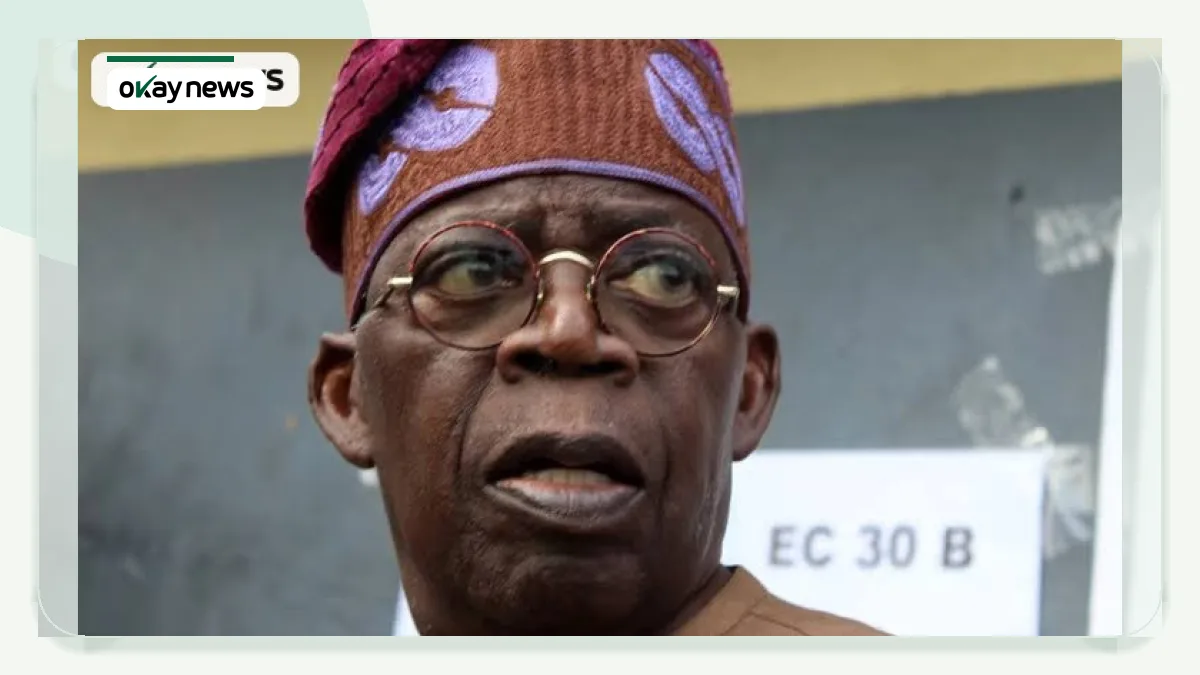
LAGOS, Nigeria — A staggering 80 percent of Nigerians believe the country is moving in the wrong direction ahead of the 2027 general elections, citing severe economic hardship, structural unemployment, and a resurgence of regional insecurity.
The bleak public assessment was published on Sunday, June 14, 2026, within the inaugural wave of the Nigeria 2027 Voter Sentiment Tracker compiled by leading geopolitical intelligence firm SBM Intelligence.
Okay News reports that the comprehensive survey, conducted across the six geopolitical zones, sampled eligible voters across eight states and the Federal Capital Territory through face-to-face market and community interviews. The data reveals deep-seated regional frustration, with negative trajectory scores peaking at 92.2 percent in the South-East, followed closely by 90.1 percent in the North-Central zone and 89 percent in the South-South, while the South-West recorded a relatively lower but still dominant dissatisfaction rate of 60.3 percent.
According to the tracker, national security remains the absolute priority for the electorate, with 45 percent of respondents identifying terrorism, banditry, and the recent wave of student abductions as their most pressing concern, while another 34 percent cited a debilitating mix of insecurity and inflation. The poll paints a highly challenging political landscape for the ruling party, recording a national net favorability score of negative 58.5 for President Bola Ahmed Tinubu, making him the least popular political figure assessed across five key policy areas including taxation, jobs, and electricity.
Crucially, SBM Intelligence noted that regions expressing the highest levels of dissatisfaction—such as the South-East at 87.4 percent and the South-South at 82.9 percent—simultaneously recorded the strongest voter turnout intentions for 2027. With the upcoming presidential contest rapidly solidifying into another high-stakes three-way race between President Tinubu of the APC, Peter Obi of the NDC, and Atiku Abubakar of the ADC, analysts warn that widespread public discontent combined with high voter mobilization in key opposition strongholds could make the upcoming election one of the most unpredictable and consequential in Nigeria’s modern democratic history.