Lagos, Nigeria – Nigeria’s capital market contribution to Gross Domestic Product has climbed sharply to 33 percent, with total market capitalisation surging to over N123.93 trillion from about N55 trillion in April 2024, representing a 125 percent increase.
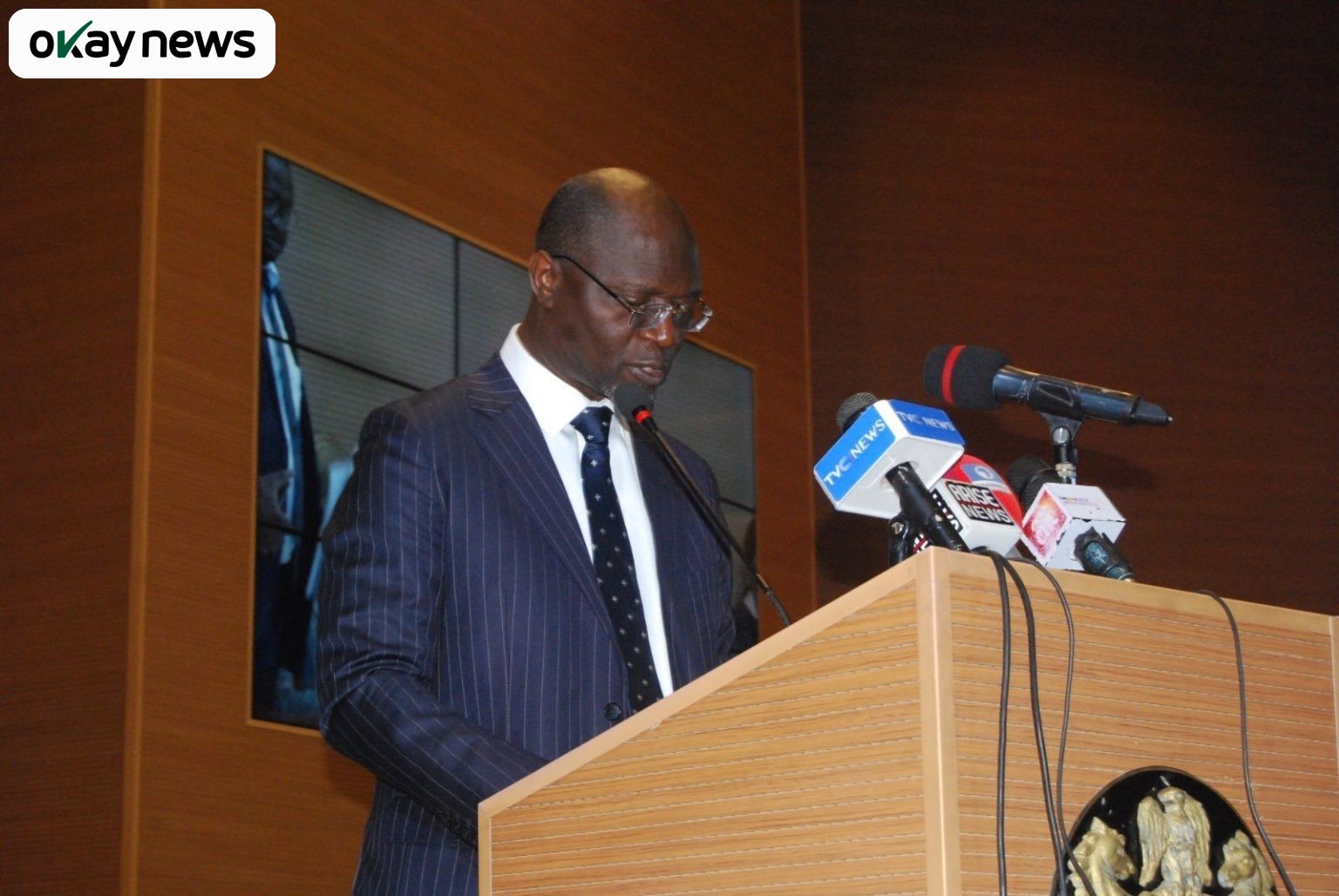
Okay News reports that Securities and Exchange Commission Director-General Emomotimi Agama disclosed the figures during his inaugural address to members of the Capital Market Working Group on Market Liquidity in Lagos on Sunday. He described the growth as historic but cautioned that sustaining the momentum will require deeper liquidity and improved trading efficiency to ensure long-term stability and investor confidence.
Agama said the impressive growth figures reflect investor confidence and resilience under the current administration. However, he warned that headline numbers alone do not capture the full health of the market. He emphasised that liquidity remains critical to sustaining growth momentum and ensuring the market performs its primary function of capital formation effectively. The capital market is not gambling but the engine of national development, financing roads, powering factories, and creating jobs.
Despite the sharp expansion in market value, structural challenges persist. High transaction impact costs for institutional investors continue to affect trading efficiency. Trading activities remain concentrated in a limited number of highly capitalised stocks, leaving a large segment of listed equities relatively illiquid. Limited liquidity could weaken investor appetite if participants are uncertain about their ability to exit positions without significant price distortions.
To address these concerns, the SEC has inaugurated a multi-stakeholder Working Group comprising exchanges, custodians, fund managers, dealing members, and other market operators. The committee will conduct a comprehensive review of trading and settlement infrastructure to identify technical and structural bottlenecks. It is expected to propose measures to make Nigeria’s settlement cycle more competitive compared to other emerging markets. The SEC is targeting the onboarding of up to 20 million new retail investors through digital platforms, dematerialisation of share certificates, and fintech partnerships.
The recently enacted Investments and Securities Act 2025 has expanded regulatory oversight to include digital assets, creating an opportunity to channel speculative activity into regulated and productive investment vehicles. As Nigeria pursues its ambition of building a trillion-dollar economy, the Commission maintains that the next phase of reform will focus on ensuring the capital market is not only large, but deep, inclusive, and globally competitive. Sustained growth in capital market liquidity will determine whether recent gains translate into sustainable economic transformation.