


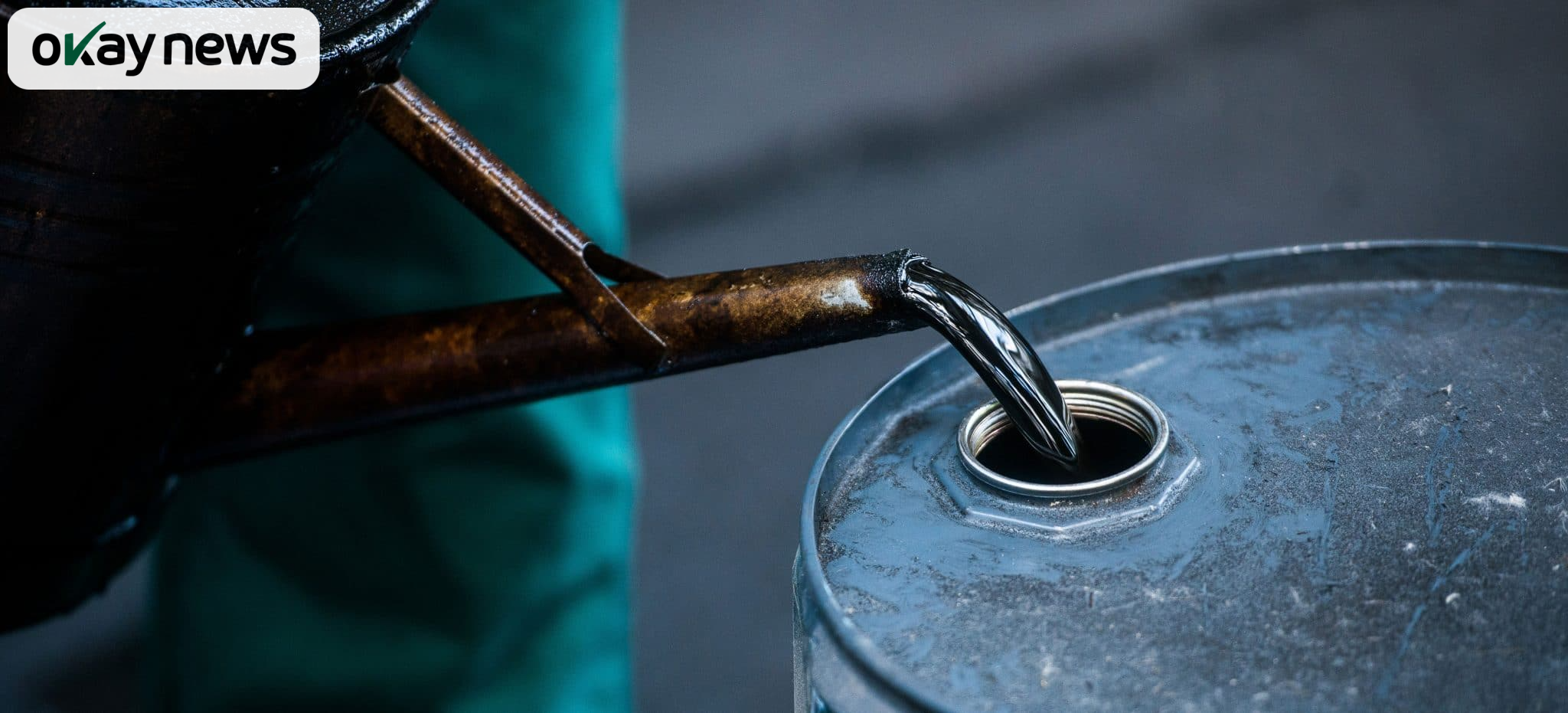
Nominees for leadership of Nigeria’s key petroleum regulatory bodies have committed to far-reaching reforms. The changes aim to curb revenue losses, enforce discipline, and attract new investments under the Petroleum Industry Act (PIA).
Okay News reports that Oritsemeyiwa Eyesan, nominated to head the Nigerian Upstream Petroleum Regulatory Commission (NUPRC), and Saidu Mohammed, proposed for the Nigerian Midstream and Downstream Petroleum Regulatory Authority (NMDPRA), made the pledges. They appeared before the Nigerian Senate for screening in Abuja, the country’s federal capital.
Eyesan highlighted outdated manual processes as a major drain on value. She stressed the urgent need for digitisation and real-time data management in upstream operations.
“We are still largely manual, while the world is moving at jet speed. Without digitisation and real-time data, you cannot truly understand what you are regulating, and you will continue to lose money,” Eyesan stated.
She promised stakeholder collaboration to resolve bottlenecks. Eyesan described the PIA as a powerful tool for competitiveness when properly implemented.
A University of Benin economics graduate, Eyesan brings 33 years of experience from the Nigerian National Petroleum Company Limited (NNPC). She retired as Executive Vice President, Upstream.
Her achievements include dispute resolution with international partners and boosting crude production from 1.3 million to 1.8 million barrels per day. She also facilitated Nigeria’s first non-associated gas contract.
Mohammed focused on contractual enforcement for gas supply reliability. He argued that treating gas as a commodity with binding agreements would end shortages affecting power generation.
“Gas is not a favour; it is a commodity. It must be sold based on enforceable contracts from the producer to the transporter and the end-user,” Mohammed said.
The chemical engineering graduate from Ahmadu Bello University pledged to prioritise domestic refining and pipeline revival. He warned against over-reliance on exports at the expense of local energy security.
Mohammed’s career includes senior roles at NNPC subsidiaries. He served as Managing Director of the Nigerian Gas Company and Kaduna Refinery.
Senate Committee Chairman Sumaila Kawu described the timing as critical for economic recovery. Further engagements with nominees will continue into January.
The nominations follow resignations of the pioneer chiefs appointed in 2021. Confirmation would usher new leadership under President Bola Tinubu’s administration.
These proposed reforms signal efforts to revitalise Nigeria’s oil and gas sector amid global transition challenges.
Strengthened regulation could enhance investor confidence and support sustainable energy development across Africa’s largest oil producer.
.)