

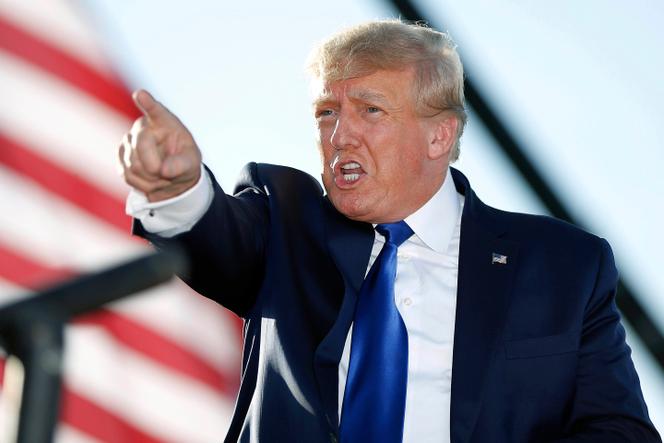
Washington D.C., USA – President Donald Trump has pledged to pursue new measures to impose tariffs after the Supreme Court of the United States struck down his administration’s broad global duties.
Speaking at the White House shortly after the 6–3 ruling, Trump described the decision as “deeply disappointing” but insisted it would not derail his trade agenda. “We have alternatives. Great alternatives,” he told reporters, suggesting his administration could rely on other federal statutes, including the Trade Expansion Act and the Tariff Act of 1930, to continue taxing imports. He indicated that while those options may involve a more complex process, they remain powerful tools.
The court’s majority opinion, authored by Chief Justice John Roberts, held that the Constitution clearly assigns Congress — not the president — the authority to impose taxes and tariffs. The ruling invalidated the sweeping “Liberation Day” tariffs and other duties Trump imposed under the 1977 International Emergency Economic Powers Act (IEEPA). In dissent, Justice Brett Kavanaugh argued that the tariffs were lawful under the statute.
Despite the setback, several tariffs enacted under different laws — including Section 232 of the Trade Expansion Act — remain in place, covering products such as steel, aluminum and automobiles. Trump signalled that his administration would now pivot to these alternative legal pathways.
Reaction across Washington was mixed. Some Republican lawmakers welcomed the court’s reaffirmation of congressional authority over taxation, while others expressed support for working with the administration on future trade measures. Business groups and trade associations largely praised the decision, urging clarity and the possible refund of billions of dollars already collected under the invalidated tariffs.
Financial markets reacted calmly, with major indexes posting only modest movements. Economists suggested the ruling may bring slight relief to businesses and marginally ease price pressures over time, though uncertainty remains about how the administration will proceed and whether new tariff actions could follow.