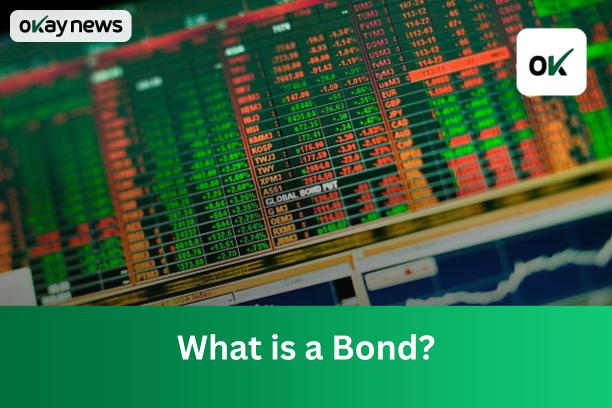
A bond is a loan you give to a government or a company. When you buy a bond, you are not buying ownership. You are lending money and getting paid interest for it.
Governments and companies issue bonds to raise funds for projects or operations. Each bond has a fixed interest rate and a maturity date. The issuer pays you interest regularly, and at the end of the term returns your original money.
In Nigeria, bonds are issued mainly by the Federal Government through the Debt Management Office Nigeria. These Federal Government of Nigeria (FGN) bonds are sold to investors and can also be traded on the Nigerian Exchange Limited. They are widely seen as low-risk because they are backed by the government. Companies and state governments also issue bonds, usually offering higher interest to attract buyers.
Globally, countries like the United States issue government bonds called Treasuries, traded in large financial markets. Companies around the world also borrow through bonds instead of bank loans.
Example: you buy an FGN bond worth ₦100,000 at 12% interest for 5 years. Each year you receive ₦12,000. After 5 years, the government returns your ₦100,000.
Global example: an investor buys a US Treasury bond and receives fixed interest until maturity, then gets the principal back.
To start in Nigeria, you can buy FGN bonds through banks, licensed stockbrokers, or government savings bond programs. You open an investment account, choose a bond offer, and invest your amount.
Bond prices can still move up or down if interest rates change, and selling before maturity may give less than you paid. A bond is simply a loan that pays you steady interest and returns your money at the end.