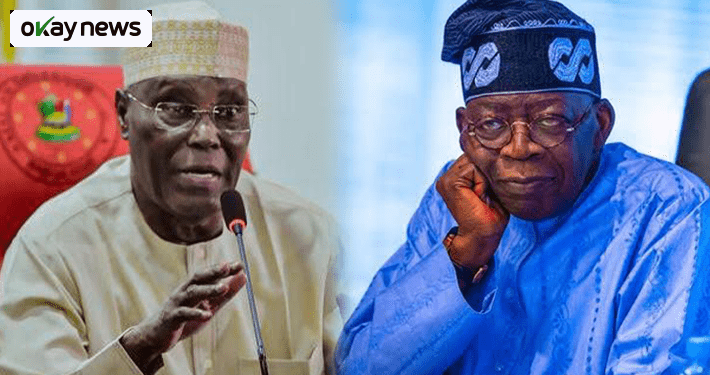
Former Vice President of Nigeria, Atiku Abubakar, has accused the administration of Nigeria’s President, Bola Ahmed Tinubu, of breaching a long standing education partnership that supported Nigerian students studying abroad, alleging that the policy failure has left more than 1,600 young Nigerians stranded across foreign countries without financial support.
In a statement released on Sunday, Former Vice President Atiku Abubakar, who served as Nigeria’s second highest office holder between 1999 and 2007, claimed that the Bilateral Education Agreement scholarship scheme was quietly discontinued by the current federal government without prior notice to parents, guardians, or students who were already enrolled in overseas institutions.
Okay News reports that the Bilateral Education Agreement scheme, first introduced in 1993 and later revitalised in 1999, was designed to allow Nigerian students pursue undergraduate and postgraduate studies through formal agreements between Nigeria and several partner countries across Africa, Europe, and Asia.
According to Atiku, the agreement functioned not only as an academic opportunity but also as a diplomatic bridge that strengthened Nigeria’s international educational relationships, a bridge he now believes has been deliberately dismantled.
“What was initially described as a temporary five year suspension soon metamorphosed into outright abandonment,” Atiku said.
He further alleged that the affected students were left without monthly stipends, accommodation allowances, and basic welfare support, with outstanding payments reportedly running into thousands of United States dollars per student.
“Their pleas are simple and desperate: pay the stipends owed, now more than $6,000 per student,” he said.
Atiku stated that government officials justified the decision by citing fiscal pressures and responsible management of public funds, arguing that limited resources should be redirected toward domestic priorities rather than maintaining students abroad.
He explained that the situation deteriorated significantly between September and December 2023, when stipends were not paid at all. He added that in 2024, allowances were reduced by 56 per cent from $500 monthly to $220, before payments were eventually stopped completely, noting that no stipends were paid throughout 2025.
“The cruelty of the moment was sharpened by timing and tone. Hunger, rent arrears, and shame have become the daily companions of the beneficiary students,” Atiku said.
He also referenced a tragic incident in Morocco, a North African country that hosts several Nigerian scholars under the agreement, where one student reportedly died in November 2025 after prolonged hardship.
“In Morocco, one student did not survive the ordeal, dying in November last year and turning quiet suffering into public grief,” he said.
Atiku added that parents and affected students staged protests in Abuja, Nigeria’s federal capital, visiting the Federal Ministry of Education and the Federal Ministry of Finance in search of answers, but their demands were largely ignored.
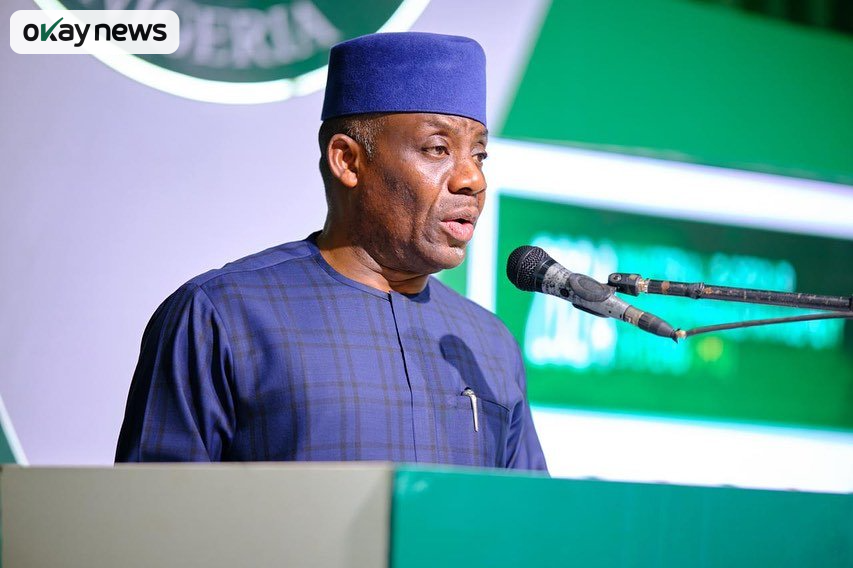
He criticised remarks attributed to Nigeria’s Minister of Education, suggesting that students who were frustrated could be sponsored to return home, describing the comment as dismissive of years of academic commitment and sacrifice.
“To anxious parents, it sounded like expulsion by neglect. Today, that pact lies broken,” Atiku said.
He concluded by noting that Nigerian scholars scattered across universities worldwide were not only waiting for overdue stipends, but also seeking reassurance that their country had not abandoned them.