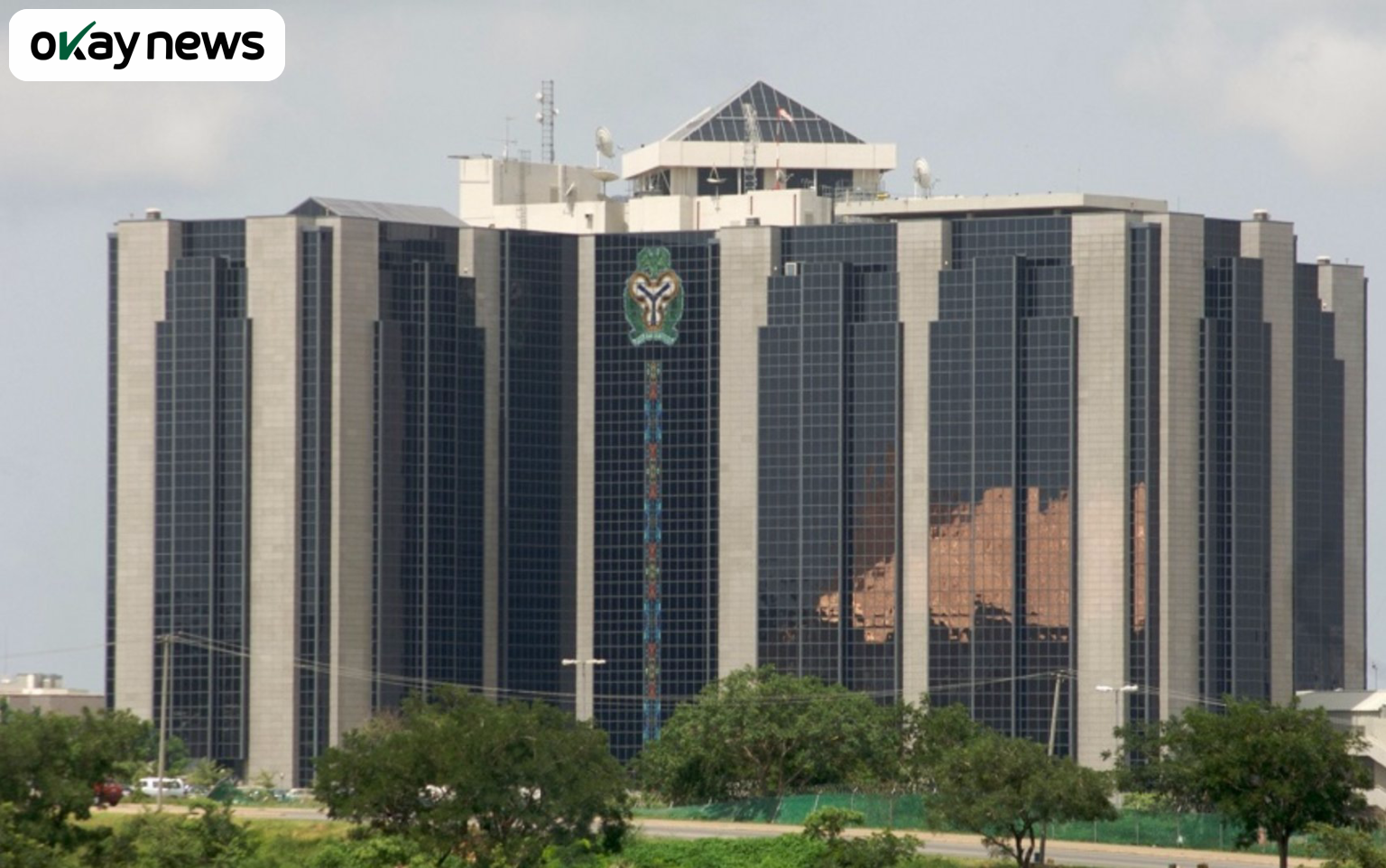
Monrovia, Liberia – Central bank governors from 12 West African countries, including Nigeria’s Central Bank Governor, are meeting in Monrovia to advance technical and institutional preparations for the launch of the Eco single currency in 2027.
Okay News reports that the three-day session, convened under the Economic Community of West African States framework, is focused on finalising critical policy alignments and governance structures required to operationalise the long-awaited currency project. Nigeria’s Presidency disclosed the meeting in a statement released on Saturday.
The Presidency described the gathering as a decisive step toward strengthening economic integration, enhancing monetary cooperation, and facilitating cross-border trade across West Africa. “The Eco currency forms part of ECOWAS’ broader integration architecture, designed to mirror aspects of the European Union model,” the statement said. “The initiative aims to complement existing regional instruments such as the ECOWAS passport, while promoting harmonised financial systems and greater regional mobility.”
The first phase of implementation is expected to involve Liberia, Nigeria, Ghana, Sierra Leone, Guinea and The Gambia. However, participation depends on each country meeting agreed macroeconomic convergence criteria and completing institutional governance frameworks.
The Monrovia discussions follow the December 2025 ECOWAS Summit held in Abuja, where Heads of State reaffirmed their commitment to the 2027 launch date. Member states were directed to accelerate fiscal and monetary policy alignment to ensure a stable and sustainable monetary union. The Eco currency initiative has faced multiple delays over the years, largely due to macroeconomic divergence among member states, inflationary pressures, fiscal deficits and exchange rate instability across the region. Nevertheless, the renewed push signals West Africa’s intention to build a more integrated and resilient regional economy.
The proposed Eco currency aims to foster greater economic integration by facilitating trade through a unified payment system, enhancing price stability, attracting foreign direct investment, and improving cross-border transactions for businesses operating across West Africa. However, significant challenges remain, including divergent fiscal policies, high inflation rates in some economies, foreign exchange volatility, and the need for strong institutional frameworks to manage monetary policy effectively.
If successfully implemented, the Eco could reshape trade, investment flows, and financial integration within the ECOWAS bloc, reducing currency conversion costs and strengthening intra-regional commerce.